Why Trying Something New Can Feel So Vulnerable
Trying something new as an adult can feel strangely exposing. It asks us to step outside the roles we already know and become a beginner again. That can be uncomfortable, especially in a culture that often celebrates confidence only after someone has already mastered something.
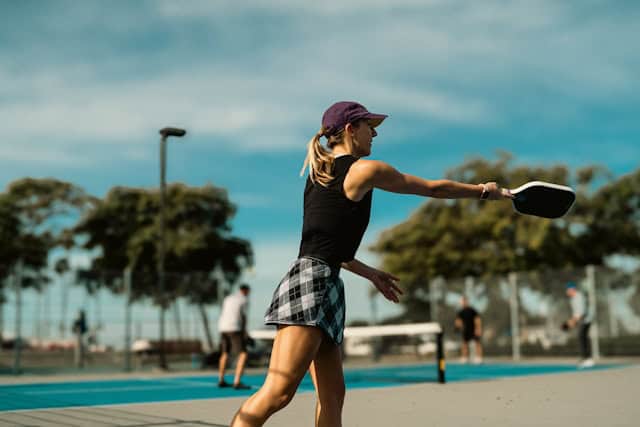
Pickleball has become popular partly because it feels more welcoming than many other sports. The court is smaller than a tennis court, the pace can be social, and the basic rules are easy to understand after a short introduction. Still, the first few games can bring up familiar doubts. Am I standing in the right place? Did I swing too hard? Why did I miss that easy shot?
That nervousness is normal. New hobbies can stir up perfectionism and make people more aware of their timing, coordination, and comfort in a shared space. For many players, confidence grows through small moments of steadiness: returning a serve, reaching a ball that once felt out of range, or staying calm during a longer rally.
Pickleball becomes more than a casual pastime when it teaches people to show up before they feel fully ready. It creates room for confidence to develop through repetition, support, and the willingness to keep playing even when the first attempts feel awkward.
Confidence Often Starts With Feeling Prepared
Feeling prepared can change the mood of a new experience. In pickleball, preparation is not limited to knowing the rules or finding someone to play with. It also includes having equipment that feels comfortable, responsive, and suited to the way a player wants to move.
A paddle can affect how steady someone feels during a game. Its shape, weight, grip, surface, and balance all influence how easily a player can react, place shots, and recover. A paddle that feels awkward can make learning more frustrating. One that offers a better sense of control can help a player settle into the rhythm of the game.
For players who want extra reach and a more confident all-court feel, the Selkirk OMNI elongated paddle fits naturally into that conversation. Its elongated shape speaks to a common need among developing players: feeling less rushed and better positioned during fast exchanges.
A paddle does not do the work for the player. Skill still comes from practice, patience, and time on the court. But supportive equipment can reduce some of the friction that makes learning feel intimidating, helping a player focus on the ball, the point, and the choices in front of her.
Why Reach Matters When You Are Still Building Trust in Your Game
Reach matters because newer and improving players often find themselves a step late. A ball lands wider than expected. A return comes faster than planned. A volley requires a quick adjustment. In those moments, an elongated paddle can give a player a little more room to respond.
That extra reach can be especially useful during rallies near the kitchen line, where reactions need to be quick and controlled. When a player feels she can cover more space, she may hesitate less and trust her instincts more.
There is also an emotional side to reach. Missing a shot by a small margin can be discouraging, especially for someone still learning. Reaching one more ball, extending a rally by one more exchange, or saving a point that once felt impossible can create a visible sense of progress.
An elongated paddle can also support players who like to serve with intention, return from deeper in the court, or move between defense and offense. It can make the game feel more expansive without requiring a player to overpower every point.
The value is not simply in hitting harder. It is in having more chances to decide where the ball goes, how to respond, and how to stay engaged in the game.
Control Makes the Game Feel Less Intimidating
Power gets a lot of attention in sports, but control is often what makes a game enjoyable. In pickleball, control is the difference between swinging wildly and placing the ball with purpose. It helps players soften a shot, guide a return, and stay composed when a rally speeds up.
For someone still building confidence, control can feel calming. It helps the game feel less chaotic and gives the player time to notice patterns. She can learn when to hold back, when to drive the ball, and when to reset the point.
A paddle that supports control can make those decisions feel more natural. It can help a player develop touch, improve consistency, and feel more connected to each shot. This matters because confidence often comes from knowing the ball will go closer to where it was intended.
That sense of reliability can soften the fear of making mistakes. A player may feel more willing to try a new serve, step into a volley, or stay engaged during a challenging rally. The game becomes less about avoiding embarrassment and more about learning how to respond.
Control also supports the social side of pickleball. When the game feels manageable, it becomes easier to laugh, reset, and stay connected with the people across the net.
Movement, Mood, and the Power of Small Wins
Pickleball is often described as approachable, but that does not make it insignificant. The sport encourages movement, coordination, focus, and connection with others. These elements can be powerful for anyone looking for a hobby that supports both physical activity and emotional wellbeing.
The health benefits of pickleball can include more than exercise alone. The game often brings people into shared spaces, creates opportunities for interaction, and gives players a reason to move in a way that feels playful rather than punishing.
Many people struggle to maintain movement routines because they feel repetitive, isolating, or focused only on results. Pickleball offers a different kind of motivation. It gives players a court to return to, people to meet, and small improvements to notice.
A single game can contain many small wins: a better serve, a cleaner return, a smarter placement, or a moment of calm after a mistake. These wins are not always visible to others, but they can change how a player feels about herself.
The right paddle can support these moments by helping the player feel more comfortable while moving. Instead of focusing only on missed shots, she can begin to notice what is improving.
The Quiet Shift From Self-Conscious to Capable
At first, a new player may be highly aware of every mistake. The missed serve feels loud. The ball into the net feels personal. The awkward footwork feels obvious. With time, the player starts paying more attention to the game than to how she looks while playing it.
That shift matters. It is the movement from self-consciousness to capability. It happens when a player begins to trust her reactions, her choices, and her ability to recover after a mistake.
Equipment plays a supporting role in that process. A paddle cannot create confidence on its own, but it can help reduce discomfort and uncertainty. When the paddle feels steady in the hand, the reach feels useful, and the response feels predictable, the player can give more attention to the experience itself.
This is especially important for adults returning to movement after a long break. Many people carry complicated feelings about exercise, competition, or being seen while learning. Pickleball can offer a gentler entry point because it allows growth without demanding perfection.
Each point gives the player another chance to practice attention, recovery, and patience. Over time, confidence becomes steadier because it is built through experience rather than performance.
Playing With Presence Instead of Perfection
One of the most valuable lessons pickleball offers is that the next point arrives quickly. There is little time to obsess over the last mistake. A missed shot happens, the ball is retrieved, and play begins again.
That rhythm can feel grounding. Players have to watch the ball, listen to the pace of the rally, adjust their position, and respond to the moment in front of them. In that sense, pickleball as a practice in presence becomes a natural way to understand the sport’s emotional appeal.
Presence is connected to confidence. When a player is focused on the current point, there is less room for self-criticism. She can notice what is happening now instead of replaying what went wrong a few seconds earlier.
The right paddle can support that presence by helping the player feel more connected to her movements. If she trusts the paddle’s reach and response, she may feel less pulled into overthinking and more able to focus on timing, placement, and recovery.
Pickleball still requires practice, patience, and repetition. But when the equipment feels supportive, the learning process can feel more inviting. The player can approach the court with curiosity instead of pressure.
Choosing Support Over Pressure
Trying something new can be an act of self-trust. It means allowing yourself to be inexperienced, to learn in public, and to keep going before confidence fully arrives.
Pickleball offers a welcoming space for that kind of growth because it blends movement, focus, play, and connection. A mistake does not end the game. A missed shot does not define the player. A difficult rally can become a reason to improve rather than a reason to stop.
Choosing the right paddle is part of choosing support. It can make the experience feel more comfortable, less intimidating, and easier to return to. For players drawn to extra reach, steady control, and a more confident all-court feel, an elongated paddle can help create that sense of readiness.
Confidence often begins with giving yourself what you need to keep showing up. Sometimes that means a supportive community. Sometimes it means a kinder inner voice. Sometimes it means equipment that makes the learning curve feel less steep.
Trying something new does not require instant bravery. It requires a first step, then another. Over time, the court feels less intimidating, the movements feel more natural, and the player begins to recognize herself as someone who can learn, adapt, and grow.
That is the quiet confidence of trying something new. It is the discovery, one rally at a time, that you are more capable than you thought.