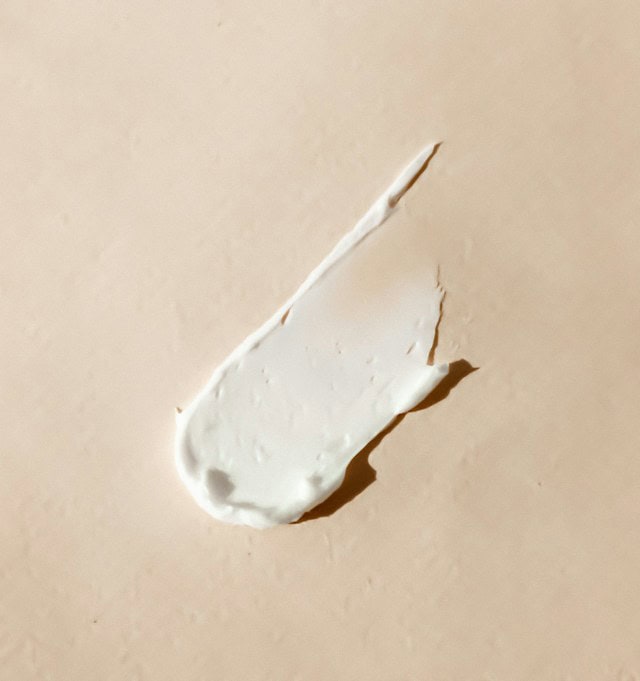
Choosing a face serum and moisturizer requires more than picking products from the same shelf. A serum delivers concentrated ingredients, while a moisturizer supports hydration and helps reduce water loss. The right pairing depends on skin type, texture, ingredient compatibility, and the routine’s purpose. A simple method makes layering easier and prevents unnecessary irritation. Start by separating each product’s job, then match formulas with the skin’s current needs in the sections below.
Before choosing a formula, shoppers need a clear distinction between these steps. A face serum vs. moisturizer comparison explains that a serum targets a defined concern, while a moisturizer adds water and reduces moisture loss. A serum usually has a lighter, concentrated texture; a moisturizer uses a cream or lotion base. That difference guides texture, ingredient selection, and layering order.
Start With Skin Type
Dry skin needs a moisturizer with a richer texture, especially after using a serum that contains exfoliating acids or retinoids. Look for ingredients such as ceramides, glycerin, or hyaluronic acid to support hydration and reduce tightness. A cream-based moisturizer usually suits dry skin better than a lightweight gel.
Combination skin often needs balance rather than maximum richness. A lightweight lotion or gel moisturizer works well with a serum that addresses uneven tone or dehydration. Apply less product to oilier areas and a little more to dry patches, if needed.
Oily skin still needs a moisturizer because surface oil does not prevent water loss. A non-greasy lotion or gel pairs well with a serum containing niacinamide or another water-based ingredient. Heavy occlusive products can leave an uncomfortable finish, especially in warm weather.
Match Ingredients With Purpose
A hydrating serum can pair with many moisturizers because both products support water content. Apply the serum first, then seal it with a moisturizer that contains humectants or barrier-supporting ingredients. This combination suits skin that feels tight after cleansing.
A brightening serum needs a simple moisturizer that does not compete with its active ingredients. Products containing vitamin C, azelaic acid, or niacinamide often work with a fragrance-free moisturizer. A basic formula makes it easier to identify the source of any irritation.
An exfoliating serum requires more caution. Acids such as glycolic acid, lactic acid, or salicylic acid can increase dryness when the routine contains several active products. Choose a soothing moisturizer with ingredients that support the skin barrier, and use the serum according to its directions.
A retinol serum also pairs best with a plain, nourishing moisturizer. Retinol can cause dryness and sensitivity during early use, so a thicker cream can improve comfort. Avoid adding another exfoliating product on the same night unless a dermatologist recommends that combination.
Compare Texture and Timing
As a general rule, layer products from the thinnest texture to the thickest. Cleanse the face, apply the serum to slightly damp skin when appropriate, then follow with moisturizer. This order helps the lighter formula spread evenly before the cream forms a protective layer.
A water-based serum usually works beneath a lotion or cream. An oil-based serum may need more attention because applying it before a water-based product can limit even coverage. Check the product directions, then use the formula that creates the smoothest finish without pilling.
Morning and evening routines can use different pairings. A lightweight serum and moisturizer suit daytime wear under sunscreen, while a richer combination fits evening care. Sunscreen remains the final morning skincare step after moisturizer.
Test the Pairing Gradually
Introduce one new product at a time so the skin’s response remains easy to track. Use a small amount of serum, wait briefly, and apply moisturizer without rubbing aggressively. Persistent burning, swelling, or a rash requires stopping the products and seeking medical advice.
Pilling often signals too much product, incompatible textures, or insufficient time between layers. Reduce the amount, press products into the skin, and allow each layer to settle before adding the next. A consistent routine matters more than using several products at once.
Conclusion
The right moisturizer depends on the serum’s purpose, the skin’s condition, and the formula’s texture. Dry skin usually needs richer barrier support, while oily skin suits lighter hydration. Active serums require simpler moisturizers that reduce irritation risk and support comfort. Start with one serum and one compatible moisturizer, use small amounts, and observe the skin for several days. That practical test reveals whether the pairing belongs in a daily routine.