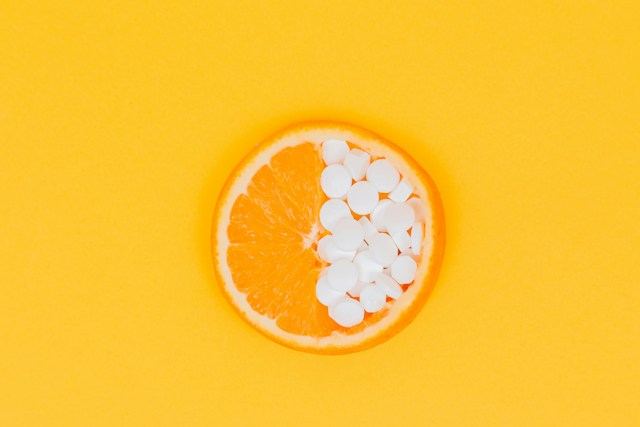
Amla provides vitamin C, polyphenols, and other compounds associated with antioxidant protection. Its traditional use also includes digestive, skin, and general vitality support. Yet the appropriate daily quantity depends on preparation, concentration, age, medical history, and personal tolerance. Understanding those factors helps set a routine that holds up over time.
Powder, juice, capsules, and extracts cannot be measured interchangeably. Choosing the right amla dosage per day starts with the product label, a modest serving, and enough time to assess physical responses without expecting immediate changes. The following sections break down what to consider at each step.
A Practical Starting Point
Amla has no universal serving size because processing methods alter the amount of active material delivered. Anyone comparing products should review the ingredient panel, serving instructions, extract ratio, and stated strength before choosing an amla dosage per day. Starting with the lowest listed serving creates a safer baseline. Consistent use also makes digestive changes, energy patterns, and other responses easier to evaluate.
Why Form Matters
The same volume may deliver very different quantities of amla constituents. A teaspoon of loose powder is not equivalent to one capsule or a measured extract. Juice brings acidity, while capsules may contain concentrated material. Standardized formulas usually provide clearer dosing information. Each preparation therefore requires its own serving guidance, rather than a direct conversion based on volume alone.
Capsules and Extracts
Many capsule labels recommend 250 to 500 milligrams daily, although concentration varies by manufacturer. The NIH also provides guidance on daily vitamin C needs, which may help users assess amla’s contribution. That range can serve as a reference for some standardized products, not a universal rule. Extract ratios deserve attention because a small capsule may represent a larger quantity of raw fruit. Following package directions prevents accidental stacking with other amla-containing supplements.
Powdered Amla
Powder can be useful, but household spoons produce inconsistent measurements. A level scoop supplied with the product offers greater accuracy than a rounded kitchen teaspoon. Mixing a small portion into yogurt, water, or a smoothie may reduce its sharp flavor. People new to amla can begin with the lowest suggested amount and monitor tolerance for several days.
Amla Juice
Amla juice may suit individuals who prefer a liquid preparation. Its acidity, however, can cause burning, nausea, or abdominal irritation in sensitive people. Diluting the drink and taking it with food may improve tolerance. Packaged varieties also require a sugar check. Fresh juice, concentrated liquid, and sweetened beverages may have different nutritional profiles and serving instructions.
Timing and Food Pairing
Morning intake works well for people who prefer a fixed wellness habit. Others may find that breakfast or lunch reduces stomach irritation. Food can soften the sharp sensation produced by acidic preparations. No rigid schedule is required. The most suitable timing is the one that supports regular use while fitting naturally around meals, medication instructions, and daily responsibilities.
Signs of Excessive Intake
A larger portion does not guarantee stronger results. Excessive intake may produce loose stools, abdominal discomfort, nausea, or increased acid sensitivity. These symptoms warrant a reduction or temporary pause. Repeated discomfort should not be managed by continued experimentation. A clinician can help determine whether amla, another supplement, an underlying condition, or a medication interaction is responsible.
Matching Intake to Goals
Amla should be matched with realistic health goals. Digestive changes may appear sooner than alterations in skin appearance or perceived vitality. People monitoring cholesterol, glucose, or blood pressure need laboratory readings rather than subjective impressions. Concentrated fruit preparations can complement nutritious meals and regular activity, but they cannot replace prescribed therapy or a clinician’s treatment plan.
Building Lasting Results
Regular intake generally matters more than occasional high servings. Balanced meals, adequate hydration, restorative sleep, and movement provide the physiological foundation for lasting progress. A brief record can capture quantity, timing, food pairing, bowel changes, and other reactions. Reviewing those notes after several weeks gives a clearer basis for continuing, reducing, or stopping the routine.
Safety Checks Before Use
Pregnant or breastfeeding individuals, children, and people with chronic illness should obtain professional guidance before using concentrated amla. Additional caution may apply to medicines affecting glucose, blood pressure, or clotting. Product quality matters as well. A trustworthy label should identify the plant material, serving size, additional ingredients, storage requirements, and available testing details.
When to Reassess
A previously comfortable serving may become unsuitable after a diagnosis, medication change, pregnancy, or recurring digestive problem. Reassessment also helps when diet, hydration, or activity changes significantly. A smaller quantity, different preparation, or complete pause may be appropriate. Persistent symptoms, allergic reactions, or unexplained changes require medical evaluation instead of further dose increases.
Conclusion
The appropriate daily amla amount depends on preparation strength, intended use, personal tolerance, and medical circumstances. For some concentrated supplements, 250 to 500 milligrams provides a common reference, but the package label remains the primary guide. Starting conservatively, taking acidic forms with food, and recording responses can support a measured routine. Professional advice is essential when illness, medication use, pregnancy, breastfeeding, or ongoing symptoms are present.