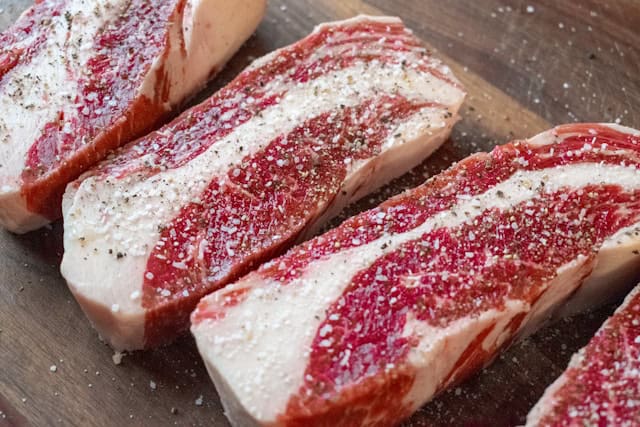
Richly marbled prime beef earns its premium through biology, husbandry, grading, and kitchen performance. Fine flecks of intramuscular fat soften muscle fibers as heat rises, which changes tenderness, moisture retention, aroma, and finish. That result is hard to produce at scale. Breeding choices, feed quality, animal age, carcass selection, storage, and demand all shape the final cost. Price, in this case, reflects both sensory reward and genuine scarcity.
Marbling Signals Quality
Most diners notice marbling before the first bite because those pale lines signal what the steak may deliver on the plate. People comparing cuts or looking for the best steakhouse in Tampa often weigh grade, sourcing discipline, and cooking standards rather than location alone. A richly marbled steak usually cooks with better internal lubrication, a richer beef aroma, and a softer chew that lingers longer.
Prime Grade Is Scarce
Prime sits at the top of the standard American beef grading scale. Only a small share of carcasses shows the marbling level needed for that label. Young cattle, steady feeding, and favorable genetics help, yet qualification still remains limited. Because supply stays tight, wholesalers, butcher shops, and restaurants compete for fewer loins and ribs. That pressure raises prices long before service begins.
Fat Creates Flavor
Marbling differs from the thick outer fat that many guests trim away. These fine deposits sit inside the muscle, where they melt during cooking and spread richness through each bite. As that fat renders, volatile flavor compounds move more freely, creating a deeper aroma. Lean beef can taste clean and satisfying, yet it rarely offers the same rounded finish or juicy persistence.
Texture Feels Different
Tenderness carries value because texture shapes enjoyment as much as flavor does. Intramuscular fat cushions muscle bundles and slows moisture loss under heat. That effect leaves the steak less fibrous, less dry, and easier to chew. Two cuts may appear similar in size, yet the more marbled piece often feels far more refined at the table. Guests pay for that difference.
Raising Cattle Costs More
Producing prime beef requires better breeding programs, close feed management, and longer finishing periods. Each added day brings expense for grain, labor, land use, veterinary oversight, and water. Farmers make those investments because higher marbling can improve returns per head. Even so, no producer can force every animal into the top grade. Cost rises before the outcome is known.
Time Adds Risk
Time improves marbling potential, though it also increases financial exposure. Feed markets move, weather shifts, transport costs change, and illness can quickly reduce value. Producers must carry those variables as the animal continues to grow. If the carcass ends up below prime, the operation may not recoup the additional costs. That uncertainty becomes part of what buyers absorb in the final price.
Grading Protects Trust
A formal grade gives the trade a common language. Inspectors assess marbling, maturity, and related carcass traits so buyers can compare lots with greater confidence. Prime means something measurable, rather than a loose promise printed on a menu. That clarity supports pricing across the chain, from packer to kitchen. It also helps diners understand why one steak costs much more than another.
Skilled Butchery Matters
A premium carcass still depends on skilled hands after fabrication begins. Butchers must separate muscles cleanly, preserve shape, trim waste carefully, and portion them with discipline. Small mistakes matter more when the raw material already carries a high perpound cost. Better knife work protects yield and presentation at the same time. Less usable meat from each loin pushes menu pricing upward.
Aging Improves Character
Many high-end steaks spend time aging before they reach the grill. Wet aging improves tenderness inside sealed packaging, while dry aging concentrates flavor through controlled moisture loss. That process can produce nutty, beefy depth, though it also reduces usable yield and increases trim. Refrigeration space, sanitation, airflow, and monitoring all add expense. The gain in character comes with a measurable cost.
Cooking Requires Precision
Prime beef responds well to skill, yet it also exposes mistakes quickly. High heat must build a crust without driving out the internal fat that supports tenderness. Timing, resting, seasoning, and slicing all influence the final result. A careless cook can flatten the value of an expensive cut within minutes. Training and consistency, therefore, become real cost factors, not just decorative extras.
Demand Stays Strong
Demand remains firm because richly marbled steak still marks celebration for many diners. Guests order it for anniversaries, client dinners, holidays, and milestone evenings. Retail buyers also seek prime ribeyes and strips for home cooking, which keeps pressure on supply. Since cattle production cannot expand overnight, increased interest usually means higher prices. Marbling remains valuable because people recognize the difference in taste.
Price Reflects Yield
Sticker price tells only part of the story. Restaurants must account for raw cost, aging loss, trimming waste, spoilage risk, storage control, and strict portioning. Two steaks may weigh the same on paper, yet one can deliver less usable meat after preparation. Prime pricing reflects saleable yield, trained labor, and consistency, not simple weight alone. The margin covers real attrition.
Conclusion
Richly marbled prime beef commands a higher price because each stage behind it costs more and offers more. The animal must have favorable genetics, receive careful feeding, grade at the top, and then survive aging, cutting, and cooking while retaining its strengths. Diners are paying for tenderness, juiciness, aroma, and texture, but also for scarcity, risk, and precision. That premium rests on substance, not image.