Last spring I noticed I was rereading the same paragraph three times and forgetting why I’d walked into the kitchen. Nothing dramatic, just annoying. So I made a deal with myself: ten minutes of memory training every morning for six months, and an honest look at what changed.
Most of that training happened in free browser memory games on my phone over coffee. They didn’t need an account, and I could switch between test types in a couple of taps, which mattered more than I expected at seven in the morning.
How I set it up
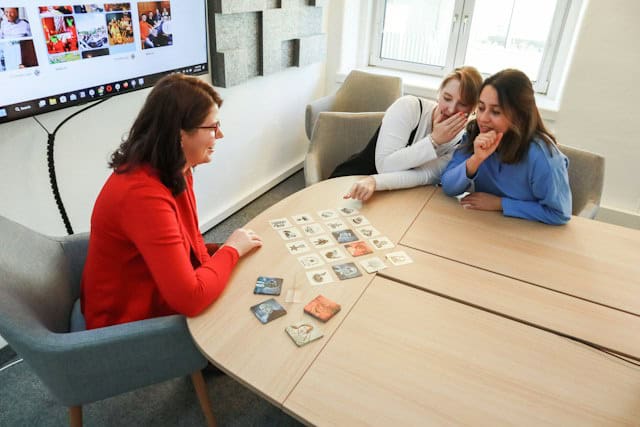
I rotated between three or four game types so I wouldn’t just learn one game’s tricks. Card-matching games make you flip tiles and remember pairs. Sequence games light up a pattern you have to repeat. Number span tests keep adding digits until you crack.
Ten minutes turned out to be the sweet spot. Longer, and I got sloppy. Shorter, and I never really warmed up.
What got better
My scores went up a lot. My digit span went from 7 to 10 in about two months and then mostly stalled. Pattern games improved more slowly but more steadily.
The harder question is whether any of it leaked into real life. A few things did, I think. I got better at holding a phone number in my head long enough to dial it. I also started noticing when my attention drifted in meetings, maybe because the games made drifting so obvious. Every slip cost me a round.
What didn’t change
I didn’t become someone who remembers every name at a party. I still lose my keys. And I can’t honestly say my reasoning or reading got sharper.
That matches what researchers have found. Skills you practice get better. Skills right next to them sometimes improve a little. Skills far away usually don’t. The most interesting long-term evidence I came across is the ACTIVE study, which followed about 2,800 older adults. People who did a few weeks of structured training still showed benefits ten years later, mostly in the specific abilities they had trained, and many reported less trouble with daily tasks. That’s encouraging, but it’s narrower than brain-training ads tend to suggest.
How I’d do it again
If I started over tomorrow, I’d keep a few rules:
- Mix game types. Working memory, visual memory and attention respond to different challenges.
- Play at the edge of your ability. If you win every round, the game is too easy to teach you anything.
- Keep sessions short and daily. Consistency beat intensity for me every time.
- Track one real-life thing. Each evening I noted whether I’d forgotten something important. Crude, but more honest than a high score.
- Protect your sleep. On weeks I slept badly, my scores dropped no matter how much I played.
So, was it worth it?
Yes, with modest expectations. Ten minutes a day gave me a small, measurable improvement in what I practiced and a better sense of when my focus slips. It didn’t rebuild my brain. I’m keeping the habit anyway, the same way I keep stretching even though it never turned me into a gymnast.