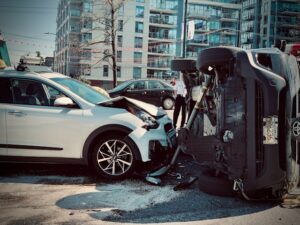
After a DUI accident, an injured person can claim damages for medical expenses, lost income, property damage, pain, emotional distress, and other losses caused by the crash. Depending on state law, punitive damages, insurance benefits, or criminal restitution may also be available.
If you were injured in a crash caused by a drunk driver, the recovery depends on more than the other driver’s intoxication. Injury severity, insurance coverage, future losses, evidence, and the law of the state where the collision occurred can all affect the final amount.
Medical Expenses
Medical damages can include emergency transportation, hospital care, surgery, diagnostic testing, medication, therapy, medical equipment, and reasonably necessary future treatment.
Serious crashes can cause traumatic brain injuries, spinal damage, fractures, burns, internal injuries, or amputations. Future medical costs generally require evidence showing that additional treatment is reasonably necessary and connected to the collision.
Lost Income and Earning Capacity
An injured person may recover wages lost while unable to work. A claim may also include reduced earning capacity when lasting injuries prevent someone from returning to the same job, working the same hours, or performing previous duties.
Pay records, tax returns, employment documents, medical restrictions, and vocational evaluations can help establish these losses.
Pain and Emotional Harm
Some losses do not come with a bill. Non-economic damages may address physical pain, anxiety, depression, sleep problems, post-traumatic stress, emotional distress, and lost enjoyment of normal activities. Severity and duration also matter.
Permanent Disability and Disfigurement
A claim may account for permanent scarring, paralysis, loss of a limb, reduced mobility, or cognitive impairment. These injuries can affect employment, relationships, hobbies, personal care, and independence.
The value depends on the prognosis and effect on everyday life.
Property Damage
Property losses may include vehicle repairs or replacement, towing, storage, rental transportation, and damaged personal belongings. State insurance rules can affect how a totaled vehicle is valued.
Punitive Damages
Punitive damages are different from compensation for medical bills or lost wages. Their purpose is to punish especially wrongful conduct and deter similar behavior.
Some states allow punitive damages when drunk driving shows particularly reckless or conscious disregard for safety. They are not automatic. Under 28 U.S.C. § 1652, state law generally supplies the rules of decision in federal civil cases when federal law does not control.
Insurance and Other Recovery
The at-fault driver’s liability insurance may cover damages up to the policy limit. Depending on the policy and state law, an injured person may also have uninsured- or underinsured-motorist coverage.
Some states permit claims against alcohol providers under dram-shop laws. These claims are separate from the case against the driver.
Criminal Restitution Is Different
A DUI prosecution may result in restitution for certain losses caused by the offense. In qualifying federal criminal cases, 18 U.S.C. § 3663 permits courts to order restitution for identifiable losses.
Restitution is not the same as a civil lawsuit. Criminal restitution generally focuses on qualifying economic losses, while a civil claim may seek broader damages, including pain and suffering and, where permitted, punitive damages.
Evidence That Supports a Damages Claim
Important evidence may include:
- Police and toxicology records
- Medical records and bills
- Injury and vehicle photographs
- Employment and income records
- Expert opinions about future care
- Therapy records
- Witness statements
- Insurance policy information
DUI evidence can establish wrongful conduct, while medical and financial records show its impact.
Final Takeaways
- Medical bills may be recoverable.
- Lost wages and future earning losses can matter.
- Pain and emotional harm may qualify.
- Permanent injuries can increase damages.
- Insurance limits can affect recovery.
- Punitive damages depend on state law.
- Criminal restitution is separate from a civil claim.