Self-care is often talked about as something soft and slow: a quiet morning, a walk outside, a better sleep routine, or a few minutes away from notifications. But modern self-care can also include practical tools that make daily life feel less scattered.
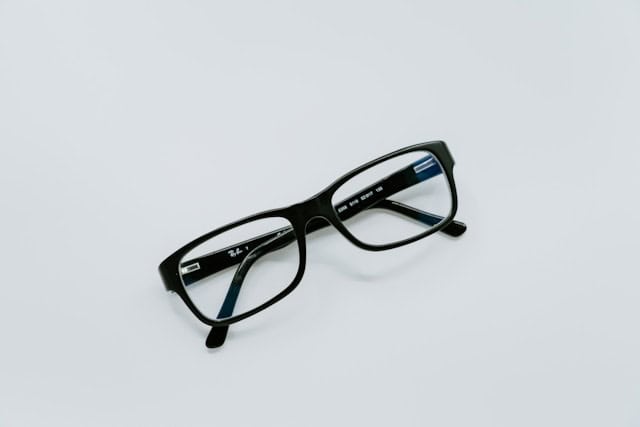
That is where Meta glasses enter the conversation. They are not self-care in the spa-day sense. Their value is more everyday than that. By combining eyewear, voice control, audio, camera features, and AI assistance, they can help people move through common routines with fewer interruptions.
For many people, self-care is not about adding another complicated habit. It is about reducing friction, staying more present, and making the day feel a little easier to manage.
Technology Can Support Simpler Routines
Technology often gets blamed for stress, and sometimes that is fair. Phones can pull people into endless scrolling, constant notifications, and app-switching. But technology can also support better routines when it is used in a more intentional way.
AI glasses can help with small daily tasks that usually send people back to their phones. You might set a reminder, ask a quick question, take a photo, listen to a message, or make a call without stopping what you are doing.
That matters because phone use is rarely just one action. You pick it up to check the weather, then see a message, then open another app, then lose five minutes without meaning to. Hands-free technology can shorten some of those interactions.
It is not about avoiding phones completely. It is about using the right tool for the right moment.
Less Phone Checking Can Mean Fewer Distractions
One of the biggest ways AI glasses fit into self-care is by reducing the need to constantly check a phone. Many people want to stay connected, but they do not want to feel trapped by their screens.
When simple tasks can be handled by voice or audio, the phone can stay in a bag or pocket more often. That can make a walk feel calmer, a commute feel less fragmented, or a conversation feel less interrupted.
The American Psychological Association explains that switching between tasks can create mental costs, especially when people move quickly from one thing to another. In daily life, constant phone checking can create that same scattered feeling.
AI glasses do not remove distractions by themselves. But they can support a different rhythm: shorter interactions, fewer screen detours, and more attention left for the moment.
Hands-Free Devices Can Support Presence
Presence is a big part of self-care. It means actually noticing where you are and what you are doing instead of moving through the day on autopilot.
Hands-free devices can support that when they help users stay engaged with the activity in front of them. For example, someone can take a quick photo during a walk without stopping to frame everything through a phone. A parent can capture a family moment while keeping their hands free. A traveler can record a short clip without stepping out of the experience.
This can make documentation feel less disruptive. The moment stays central, and the device stays secondary.
That is the key. AI glasses are most helpful when they support the experience instead of taking it over.
Better Organization Without More Mental Clutter
Self-care is also about reducing the invisible load of remembering everything. Appointments, errands, tasks, ideas, shopping lists, calls, messages, and follow-ups can crowd the mind quickly.
Wearable technology can help by making small organizational tasks easier. A user might set a reminder while walking to the car, capture a note while cooking, or ask for quick information while getting ready.
These actions may seem minor, but they reduce the mental effort of holding everything in your head. When tasks are easier to capture, the day can feel less cluttered.
For busy professionals, students, parents, caregivers, and anyone managing a full schedule, this kind of support can feel surprisingly useful.
Daily Walks Can Feel More Intentional
A walk is one of the simplest self-care habits, but many people turn it into another screen session. They check messages, scroll, reply, and barely notice the route.
AI glasses can support a different version of that walk. You can listen to music, hear a message, take a hands-free photo, or use voice commands while keeping your head up. The phone does not have to become the center of the outing.
This can also make outdoor time feel more natural. You can stay aware of your surroundings, notice small details, and still have access to useful features when needed.
Harvard Health notes that focusing on one task at a time can reduce distraction and make attention feel more manageable. A walk supported by lighter, less screen-heavy technology can fit that same idea.
Convenience Without Constant Screen Use
Convenience is sometimes dismissed as laziness, but it can be part of well-being. When routine tasks feel easier, people have more energy for what matters.
AI glasses can make daily routines smoother in practical ways. While cooking, you might ask for a timer. During errands, you might capture a quick visual note. While commuting, you might listen to directions or answer a call. During travel, you might take short clips without digging for your phone every few minutes.
None of these examples are dramatic. That is exactly the point. Self-care often lives in ordinary moments.
A less frustrating day can be a more balanced day.
Technology Should Help, Not Overwhelm
The best self-care tools are the ones that make life feel lighter. They should not create more notifications, more pressure, or more reasons to be constantly available.
That is why boundaries still matter. AI glasses may support better routines, but users should still decide when to use them and when to disconnect. Not every walk needs audio. Not every moment needs to be recorded. Not every question needs an instant answer.
Healthy technology use is about choice. The device should serve the routine, not control it.
This is especially important with wearable technology because it sits close to daily life. The more personal the device, the more intentional the user needs to be.
A More Practical View of Self-Care
Self-care does not always look like candles, journals, or long breaks. Sometimes it looks like fewer interruptions. A smoother commute. A reminder you did not forget. A walk where you keep your phone away. A quick task completed without getting pulled into a screen.
AI glasses fit into self-care because they can reduce small forms of friction. They help users stay connected without always being absorbed by a phone. They support organization without requiring another app session. They make documentation easier without interrupting the moment as much.
That makes them less about futuristic tech and more about everyday ease.
Final Thoughts
AI glasses are becoming part of modern self-care because they support the way people actually live. They can simplify routines, reduce phone checking, help with organization, support hands-free tasks, and make daily moments feel less interrupted.
They are not a cure for stress or distraction, but they can be a practical tool when used intentionally. The real benefit is not just convenience. It is having technology that helps the day feel smoother without constantly pulling attention away from life itself.