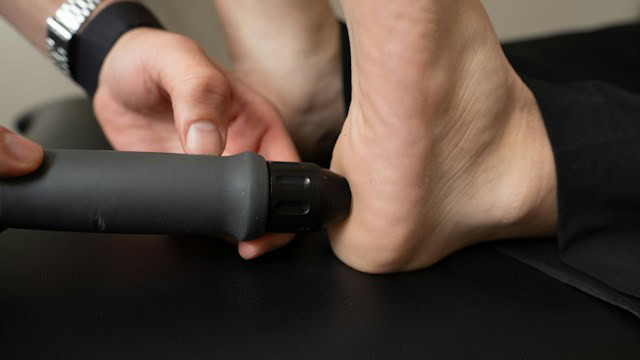
Finding practical ways to manage daily discomfort has become a priority for people balancing work, activity, and recovery. HSA eligible massage devices give shoppers a way to use pre-tax healthcare funds for tools that support ongoing relief at home without relying on constant appointments.
These devices are designed to help deal with physical strain in targeted ways. When supported by proper documentation, they can fall within approved healthcare spending, which makes them both functional and financially strategic.
Knowing how each type works helps narrow down the right option for specific needs.
How Massage Devices Qualify for HSA Use
Eligibility depends on medical necessity rather than convenience. A device must be recommended to help manage a diagnosed condition such as muscle tension, joint stiffness, or circulation issues.
This recommendation usually comes from a licensed provider who outlines how the device supports treatment.
A written explanation, often called a Letter of Medical Necessity, connects the product to a health concern. This documentation becomes the basis for reimbursement through an HSA account. Without it, most claims will not move forward.
Before purchasing, it is smart to review plan guidelines. Each administrator may request slightly different documentation, which can affect timing and approval. Preparing ahead reduces delays and keeps the process organized from start to finish.
Why At-Home Relief Devices Continue to Grow in Demand
Busy schedules make it difficult to maintain consistent therapy appointments. At-home massage devices create access to relief without the need for travel or scheduling. This convenience supports more regular use, which leads to better long-term comfort.
Another advantage comes from control. Users can adjust intensity, duration, and focus areas based on how their body feels each day. This flexibility creates a more responsive approach to physical care.
A professional consultation helps determine which device matches specific concerns. This step connects product features to real physical needs, which strengthens both effectiveness and eligibility.
Massage Chairs for Full-Body Support
A massage chair delivers complete coverage for individuals dealing with widespread discomfort. These chairs use rollers, airbags, and heat to work across multiple muscle groups in a single session.
This broad approach can support people with back pain, hip tightness, or fatigue that spreads across the body.
Modern designs include settings that mimic different massage techniques. Some programs focus on deep pressure, while others create a lighter, recovery-based experience. The variety allows users to adjust sessions based on daily activity levels.
Consistency becomes a major advantage. Having access to a full-body system at home allows for regular sessions without interruption. This steady use can help reduce buildup of tension over time and support better movement throughout the day.
Foot Massagers for Targeted Lower Body Relief
A foot massager focuses on one of the most overlooked areas of the body. Feet carry daily weight and absorb repeated impact, which can lead to soreness and fatigue. Targeted massage in this area supports circulation and can ease pressure built up from standing or walking.
These devices typically use rolling nodes, compression, and heat to stimulate muscles and soft tissue. Regular sessions can help reduce stiffness while promoting relaxation in the lower body.
Foot-focused devices work well for individuals who spend long hours on their feet. They also support recovery after physical activity, making them a practical addition to daily routines that involve movement.
Shoulder and Neck Massagers for Upper Body Tension
A shoulder and neck massager tackles one of the most common sources of discomfort. Long hours at desks or repeated phone use can create tightness in the upper body. Targeted pressure in this area helps release built-up tension and restore comfort.
These devices are designed to sit around the shoulders, delivering focused relief where it is needed most. Adjustable settings allow users to control intensity, which makes it easier to match different comfort levels.
Regular use can help reduce stiffness and improve mobility. This is especially useful for individuals dealing with recurring tension linked to posture or repetitive movement patterns.
Choosing the Right Device for Daily Use
Selecting the right device starts with identifying where discomfort occurs most frequently. Full-body issues may call for a larger system, while localized tension may respond better to targeted tools.
Features should match up with how the device will be used. Adjustable intensity, heat settings, and ease of operation all contribute to long-term satisfaction. Devices that are difficult to use or store may end up unused, which limits their value.
Medical documentation should also match the chosen device. A recommendation focused on neck tension, for example, should connect clearly to a product designed for that area. This supports smoother reimbursement and better results.
Financial Considerations When Using HSA Funds
Using HSA funds changes how buyers approach cost. Pre-tax dollars increase purchasing power, which allows access to higher-quality devices without raising overall expenses.
Planning still matters. Prices differ depending on features and build quality. Setting a budget helps narrow options while keeping spending within comfortable limits.
Timing can also affect purchasing decisions. HSA funds roll over year to year, which offers flexibility. Reviewing account balances before buying helps determine the best time to move forward with a purchase.
Common Mistakes to Avoid During the Buying Process
Skipping documentation is one of the most common issues. Without a clear medical recommendation, even high-quality devices may not qualify for reimbursement. Starting with proper approval avoids wasted time and expense.
Another mistake involves choosing based on appearance instead of function. A device that looks appealing may not deliver the level of relief needed for a specific condition. This mismatch can lead to dissatisfaction and denied claims.
Incomplete submissions can also slow down approval. Missing receipts or unclear documentation create unnecessary complications. Keeping everything organized from the beginning supports a smoother process.
Long-Term Benefits of Using HSA Eligible Massage Devices
Consistent access to massage therapy at home creates lasting value. Instead of relying on occasional sessions, users can build regular routines that support ongoing comfort. This consistency helps reduce the buildup of tension and supports better physical function.
Financial advantages also stand out. Using pre-tax funds stretches spending power, which makes higher-quality devices more attainable. Over time, this combination of relief and savings creates a balanced investment.
Daily use reinforces positive habits. Regular sessions encourage awareness of physical needs, which can lead to better posture, movement, and recovery practices.
Choosing What Fits Your Needs
Choosing among HSA eligible massage devices becomes easier when guided by clear information. Start with a professional evaluation, match the device to specific needs, and confirm eligibility requirements before buying.
Each type of device offers a different approach to relief. Full-body systems support widespread discomfort, while targeted tools focus on specific areas. Selecting the right option leads to more effective results and a smoother reimbursement process.
With the right preparation, these devices become more than convenience items. They serve as practical tools for managing daily discomfort while making full use of available healthcare funds.