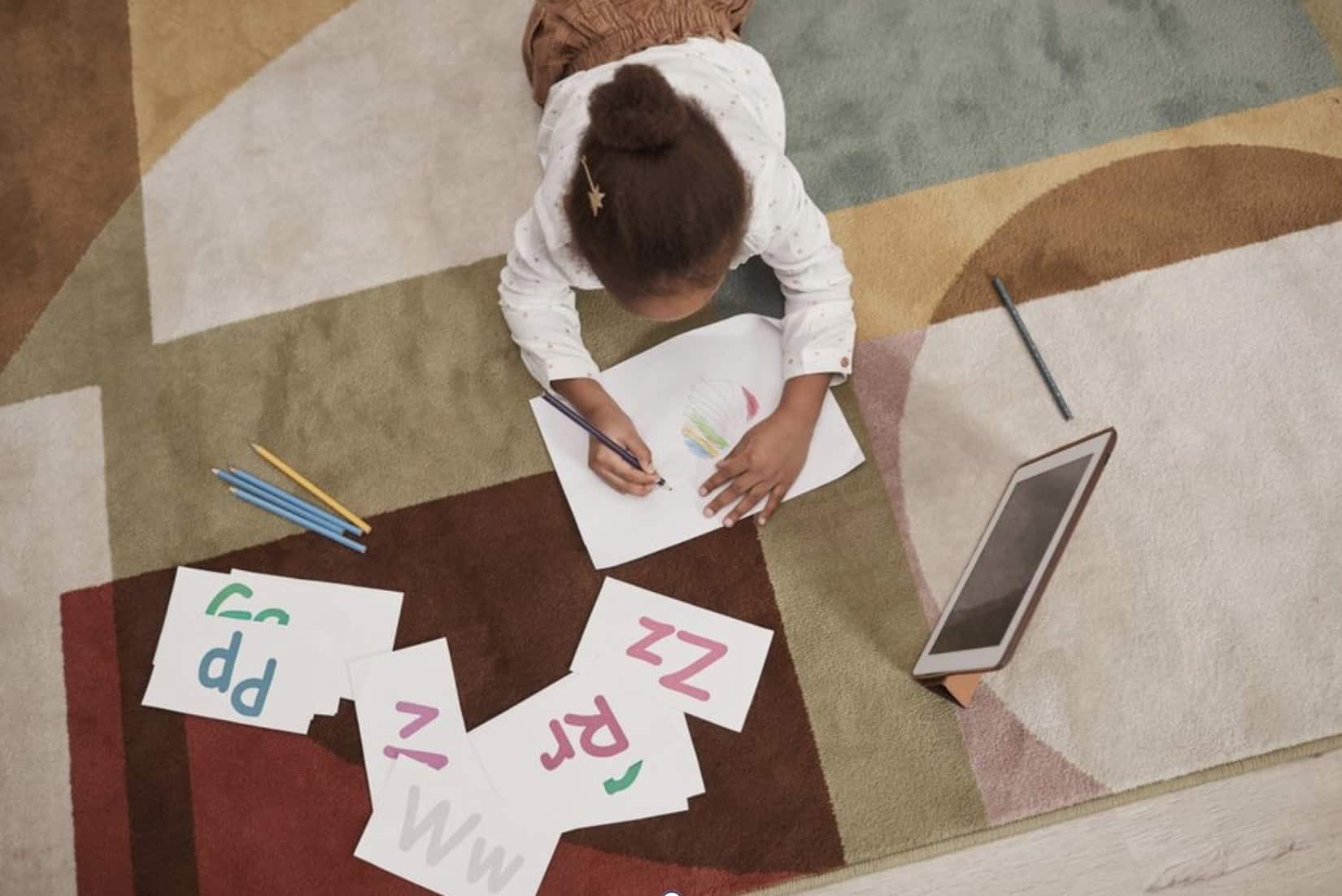
Early childhood is a short period with an outsized influence on learning and development. Young children are building language, social skills, emotional awareness, physical abilities, and their first ideas about school, often all at once. Working effectively with them takes more than patience or an ability to keep a room entertained. College study can help future educators understand child development, learning theory, family relationships, safety, inclusion, and professional practice before they take on responsibility for young learners.
Build a Strong Foundation in Child Development
Before learning how to plan activities or manage a classroom, students need to understand how children develop. College courses can introduce the physical, cognitive, social, and emotional changes that occur from infancy through childhood and beyond.
Students looking at bachelor of early childhood education online programs may encounter curricula that combine child-development theory with practical preparation for education and human-service settings. Programs can include coursework in children’s health and nutrition, guidance and discipline, infant and toddler learning, preschool learning theory, family relationships, children’s literature, exceptionalities, professional ethics, and program administration.
Online study can also offer practical flexibility. Students may be able to continue working or complete internships while progressing through coursework, rather than having to put employment aside for several years.
The strongest programs do not treat childhood as one uniform stage. A two-year-old and an eight-year-old have very different developmental needs, and future professionals need to recognize those differences before deciding how to teach, guide, or support them.
Learn How Young Children Actually Learn
Adults sometimes make the mistake of viewing early education as a smaller version of elementary school.
Young children often learn through play, conversation, observation, repetition, movement, exploration, and interaction with other people. A carefully designed play activity can involve language, mathematics, creativity, problem-solving, and social negotiation without resembling a conventional lesson.
College students can learn how to turn developmental knowledge into appropriate learning experiences.
That means thinking about what children are ready to do rather than simply what adults want them to know.
Observation becomes particularly useful. Watching how a child approaches a puzzle, responds to another child, or communicates frustration can provide information that a worksheet cannot.
Future educators who learn to observe carefully can make better decisions about activities, classroom environments, and individual support.
Understand the Importance of Families
Early childhood professionals do not work with children in isolation.
Families influence children’s routines, language, behavior, expectations, cultural experiences, and emotional development. Building productive relationships with parents and caregivers is therefore an important professional skill.
College courses can help students examine family dynamics without assuming that every household operates in the same way.
Future educators also need to communicate respectfully about difficult subjects.
A parent may need to hear that a child is struggling socially, showing unusual behavior, or having difficulty with a developmental skill. Those conversations require clarity and sensitivity.
Families can also provide information that educators would otherwise miss. Changes at home, language differences, health concerns, or major life events may help explain changes in a child’s behavior.
Good early childhood practice makes families partners rather than treating them as outsiders.
Develop Classroom Guidance Skills
Anyone who has spent time around a group of young children knows that enthusiasm alone does not produce an orderly classroom.
Children test boundaries, become frustrated, struggle to share, lose concentration, and occasionally decide that instructions are merely interesting suggestions.
Future educators need practical strategies for handling these moments.
Studying guidance and discipline can help students understand how routines, classroom design, expectations, and adult responses influence behavior.
Consistency matters, but so does understanding why a behavior is occurring.
A child who cannot communicate frustration effectively may behave very differently from one who is deliberately testing a boundary. Responding identically to every difficult behavior can miss important developmental information.
Effective classroom management should create an environment where children know what is expected while still having room to explore and learn.
Prepare to Support Different Learning Needs
No two children develop at exactly the same pace.
Some children acquire language quickly but struggle socially. Others may have physical, cognitive, behavioral, sensory, or learning differences requiring additional support.
College preparation can introduce future educators to exceptionalities and inclusive practices.
The goal is not for every early childhood professional to become a specialist. It is to recognize that children may need different forms of instruction, communication, or assistance.
Educators should also understand when concerns need to be discussed with families or appropriate specialists.
Inclusive classrooms benefit from thoughtful planning. Activities, materials, routines, and physical spaces can often be adapted so more children can participate meaningfully.
Learning to notice individual needs without reducing children to labels is an important professional skill.
Take Health, Safety, and Nutrition Seriously
Early childhood environments carry significant responsibility.
Young children depend on adults to create spaces where they can learn without unnecessary risks. Future professionals need to understand basic principles involving supervision, sanitation, nutrition, physical environments, and emergency procedures.
Health also influences learning.
A child who is hungry, exhausted, uncomfortable, or frequently unwell may find it harder to concentrate and participate.
College coursework can help future educators understand these connections rather than viewing health and education as completely separate subjects.
Safety requires constant awareness without making childhood unnecessarily restrictive. Children still need opportunities to move, experiment, play outdoors, and develop independence.
The challenge is creating reasonable safeguards while allowing the exploration that supports development.
Gain Experience Before Graduation
Reading about child development is valuable. Working with actual children makes the subject considerably less theoretical.
Field experiences and internships allow college students to observe how developmental concepts appear in real settings.
They may discover that an activity that looked excellent on paper fails within five minutes. They may also see experienced professionals calmly solve problems that initially seem overwhelming.
Practical experience helps students develop judgment.
It can also clarify career preferences. Someone may discover an interest in infant and toddler programs, preschool education, child advocacy, family services, program administration, or community organizations.
Students should treat internships as opportunities to ask questions, observe different professional styles, and practice applying what they have learned.
Mistakes made under appropriate supervision can become useful preparation for the responsibilities that come after graduation.
Explore Careers Beyond the Traditional Classroom
Studying early childhood development does not necessarily lead to one specific job.
Graduates may work in childcare programs, community organizations, government services, family-support agencies, early intervention, children’s programs, or administrative roles. Some pursue additional credentials or graduate education for specialized careers.
That variety makes career planning important.
Students should investigate the qualifications required for positions that interest them because requirements can differ by employer, role, and state. A degree that prepares someone for a human-services position may not automatically satisfy teacher-licensure requirements for a public-school classroom.
College is therefore a useful time to compare career paths rather than waiting until graduation.
Students can use internships, electives, faculty guidance, and work experience to determine which settings fit their strengths.
Early childhood education requires unusual versatility. Professionals may need to understand development, communicate with families, organize learning environments, respond to behavioral challenges, protect children’s safety, and collaborate with specialists—sometimes before lunch.
College preparation cannot predict every situation a future professional will encounter. It can provide the developmental knowledge, practical experience, and professional judgment needed to respond thoughtfully when those situations arrive. For students who enjoy understanding how children grow and helping create environments where that growth can happen, the field offers numerous ways to turn that interest into meaningful work.