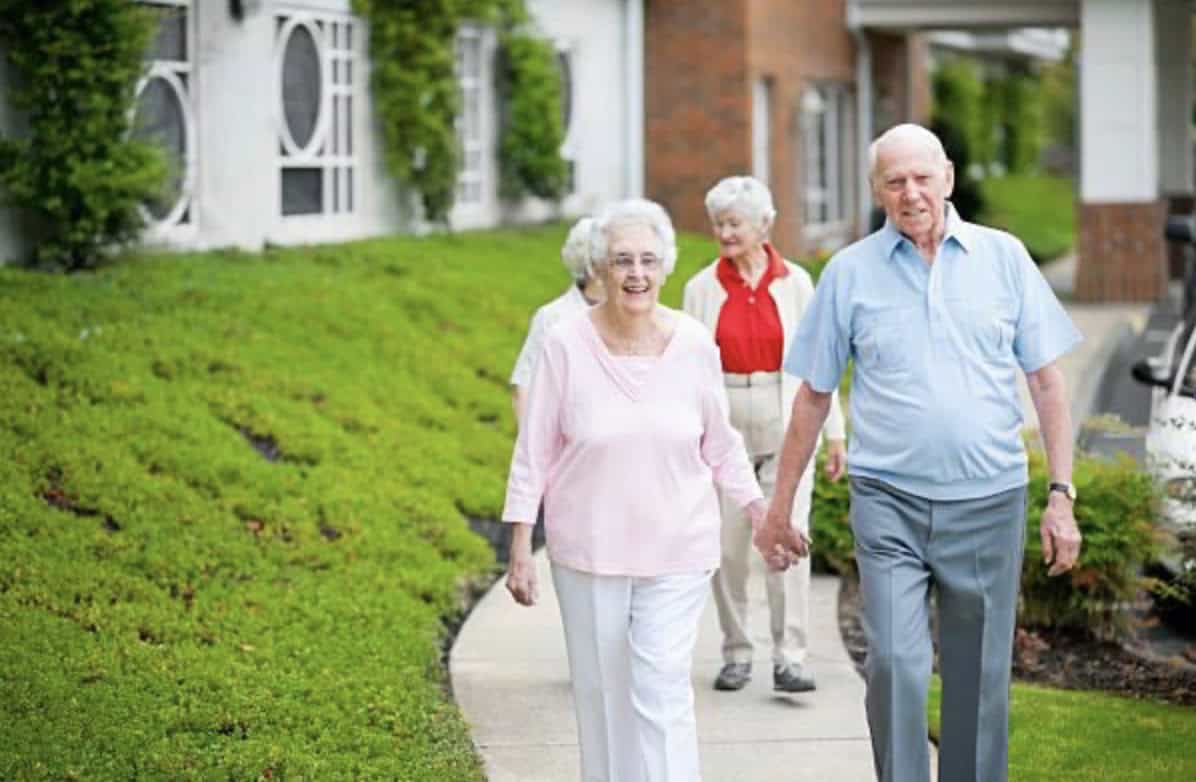
Retirement villages are making active living part of everyday life by creating environments where older adults can stay socially connected, physically active, and involved in activities that interest them. Instead of treating retirement as a time to slow down, modern communities can provide spaces, programmes, and opportunities that encourage residents to keep pursuing hobbies, meeting people, exercising, and enjoying their surroundings.
For older Australians exploring this lifestyle, Southern Cross Care NSW and ACT is one option among retirement living communities where residents can combine independent living with opportunities for recreation and social connection. The right community can make staying active feel like a natural part of daily life rather than something that requires a separate commitment.
Walking Can Become Part of the Daily Routine
Simple movement can play an important role in maintaining an active lifestyle.
Retirement communities often include pathways, gardens, courtyards, and other outdoor areas that encourage residents to walk around their surroundings. Instead of needing to travel somewhere specifically for every short walk, residents may have accessible spaces close to home.
Walking can also become a social activity when neighbours meet along pathways or arrange regular walks together.
Shared Facilities Encourage More Activity
Shared facilities can give residents more reasons to leave their homes and participate in different activities.
Depending on the community, these may include recreation rooms, gardens, community halls, outdoor seating areas, or spaces for exercise and hobbies. Having these facilities nearby can make participation more convenient.
The important factor is choice. Residents can decide which activities suit their interests, abilities, and routines.
Social Activities Keep People Connected
An active retirement is not only about physical exercise.
Social interaction can also be an important part of staying engaged with everyday life. Community events, group activities, hobby clubs, shared meals, and informal gatherings can give residents opportunities to meet their neighbours and develop friendships.
These interactions can help create a stronger sense of community. They also give residents activities to look forward to throughout the week.
Hobbies Can Become Part of Everyday Living
Retirement provides an opportunity to spend more time on interests that may have been difficult to pursue during working years.
Gardening, painting, reading, crafts, cooking, photography, music, and other hobbies can become regular parts of life in a retirement community.
Having dedicated spaces or nearby areas for these activities can make it easier to turn an occasional interest into a regular routine.
Outdoor Spaces Can Support an Active Lifestyle
Well-planned outdoor areas can make a significant difference to how residents use their communities.
Gardens, walking paths, shaded seating, courtyards, and landscaped areas can encourage people to spend time outdoors. These spaces can support everything from quiet relaxation to group activities.
Outdoor environments can also provide opportunities for residents to stay connected with nature without needing to maintain a large private garden themselves.
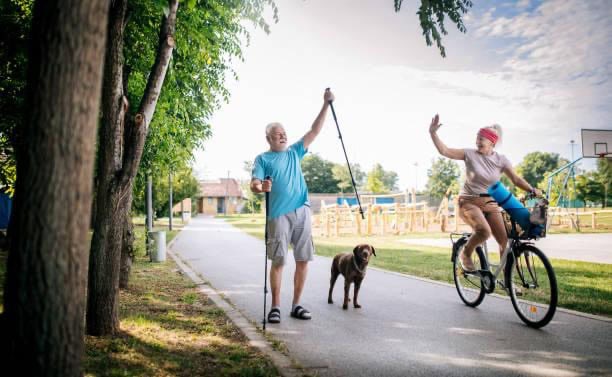
Active Living Can Include Mental Stimulation
Staying active also means keeping the mind engaged.
Learning new skills, participating in discussions, attending community activities, solving puzzles, reading, or taking up a new hobby can all provide mental stimulation.
Retirement communities can support this by creating opportunities for residents to share knowledge and interests. Someone who has spent years playing an instrument, gardening, cooking, or working with crafts may also enjoy sharing those skills with neighbours.
Residents Can Set Their Own Pace
Active living does not look the same for everyone.
One resident may enjoy morning walks and regular group activities, while another may prefer gardening, reading, and occasional social events. A good retirement community allows people to choose their own level of participation.
This flexibility is important because independence remains central to retirement living. Residents should be able to decide how they spend their time without feeling pressured to follow someone else’s routine.
Convenience Makes Participation Easier
Distance and convenience can influence whether people participate in activities.
When recreational spaces, social areas, gardens, and neighbours are close to home, joining an activity can require less planning. Residents may be more likely to take part when they do not have to arrange lengthy travel or transportation for every activity.
Small conveniences can therefore make active living easier to maintain over time.
Retirement Can Be an Opportunity for a New Routine
Moving into a retirement village can provide a chance to create a new daily routine.
Without the demands of full-time employment or maintaining a large family home, residents may have more flexibility to decide how they spend their days. Activities that were once occasional can become regular parts of life.
With opportunities for movement, hobbies, social interaction, and outdoor time, retirement communities can help make active living a natural part of the everyday experience.
Key Takeaways
- Retirement villages can make physical activity more accessible through convenient outdoor and shared spaces.
- Walking can become a simple part of the daily routine.
- Social activities can support connection and engagement.
- Hobbies provide opportunities for creativity and personal interests.
- Gardens and outdoor spaces can encourage residents to spend more time outside.
- Mental stimulation is also an important part of active retirement living.
- Residents can choose activities and routines that suit their own preferences and abilities.