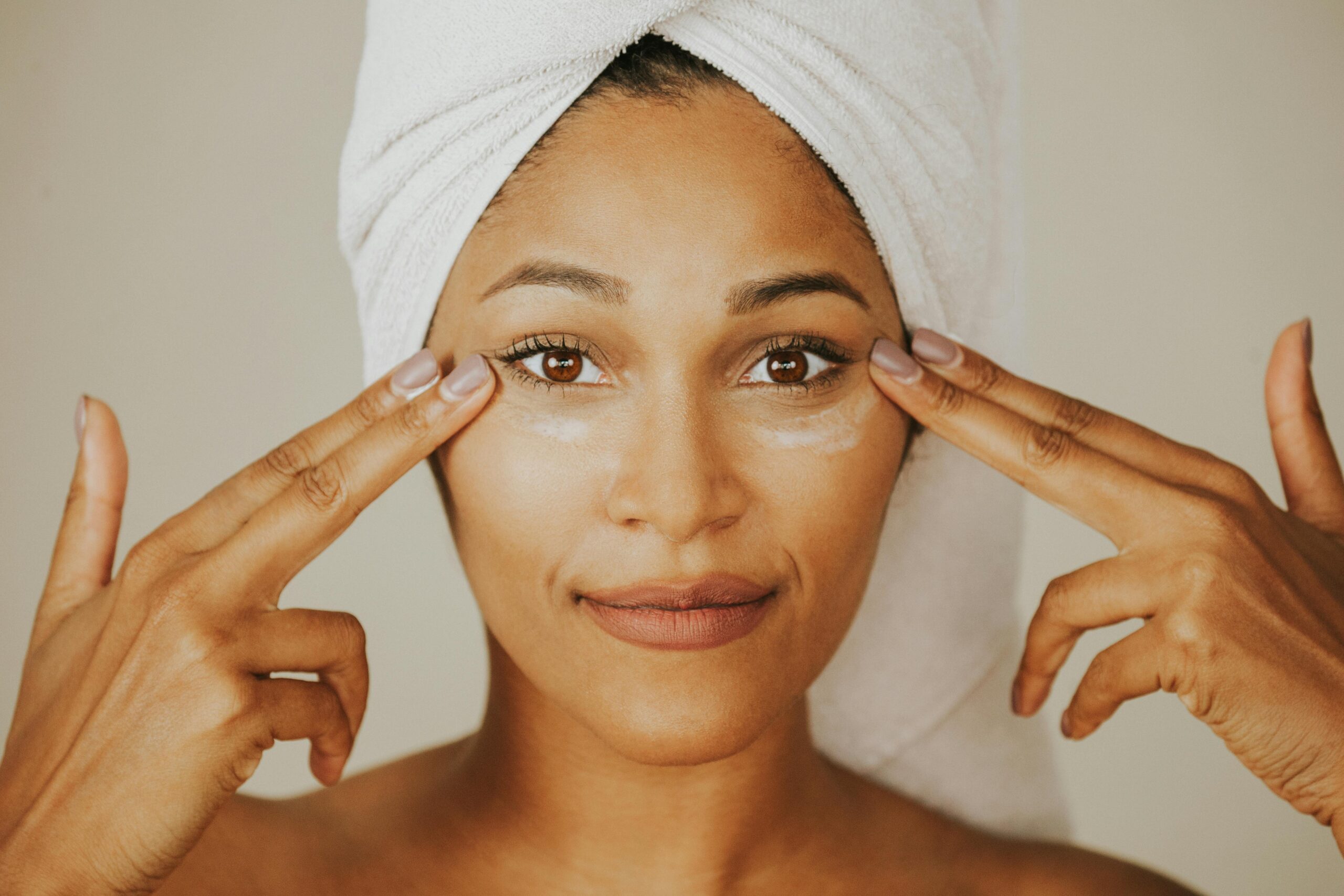
Heavy eyelids can affect more than facial expression. Redundant upper lid skin may press near the lash line, narrow side vision, and make reading or driving feel harder. Lower-lid fullness can cause persistent shadows, even after rest. Eyelid surgery, also called blepharoplasty, involves careful planning to adjust the skin, muscle, and fat. The purpose is both functional and aesthetic, providing clearer eye exposure while preserving natural character.
Vision Concerns
When the upper lid tissue folds downward, it can block the upper and outer visual field. Patients may raise their brows, tilt their heads, or strain during routine tasks. A clinical exam reviews lid height, brow support, ocular surface health, and skin weight before considering eyelid surgery in Newport Beach as part of treatment planning.
Appearance Changes
The eye area changes because thin skin, shifting fat, and reduced collagen alter the contour. Upper folds may hide the lid crease. Lower pads can create bags that remain visible even in good lighting. Skillful correction aims for a rested appearance, not a different face. The most believable results keep the patient’s familiar expression, eye shape, and facial proportions intact.
Upper Lid Benefits
Upper blepharoplasty usually places the incision within the natural crease. Through that access, extra skin and selected fat are reduced with restraint. Removing too much tissue can cause tightness, dryness, or lid closure problems. A measured approach can improve heaviness, shadowing, makeup transfer, and visual obstruction while keeping the eyelid contour soft.
Lower Lid Benefits
Lower eyelid surgery treats puffiness, loose skin, and an uneven transition into the cheek. Fat may be repositioned into hollow areas or reduced when fullness is the main issue. Some patients need skin tightening near the lashes. Others qualify for an internal incision, which avoids an external scar. The goal is smoother support beneath the eye.
Function and Comfort
Functional improvement often comes from reducing lid weight. With less overhang, the forehead may work less to keep the eyes open. Some patients notice easier reading, safer driving, or wider side awareness. Comfort still depends on tear film quality, lid movement, and healing response. Preoperative eye history should guide every surgical decision.
Natural Balance
Eyelids do not age in isolation. Brow descent, cheek volume, skin laxity, and orbital fat position all shape the final result. A surgeon may treat the upper lids alone or combine techniques to achieve better harmony. Thoughtful planning avoids a hollow look, a rounded lower lid, or an overcorrected crease that feels inconsistent with the rest of the face.
Candidate Factors
Good candidates are healthy adults with drooping upper lids, under-eye bags, or vision limits caused by redundant skin. Stable eye moisture is important because dryness can worsen after surgery. The evaluation should include medications, tobacco use, prior procedures, healing tendencies, and medical conditions. Clear goals help match anatomy with a realistic operative plan.
Consultation Details
A thorough consultation includes a facial assessment, a review of medical history, and a careful discussion of symptoms. The surgeon may check lid tone, fat position, brow height, skin thickness, and asymmetry. Standardized photos help with planning and later comparison. Patients should ask about incision choice, anesthesia, recovery time, scar behavior, and whether formal visual field testing is appropriate.
Procedure Basics
Blepharoplasty is often performed in an outpatient setting. Many cases use local anesthesia with sedation, though the safest plan depends on health status and surgical scope. Upper lid incisions follow natural folds. Lower approaches may pass inside the eyelid or just below the lashes. Fine sutures and gentle tissue handling support controlled healing.
Recovery Timeline
Bruising, swelling, tearing, light sensitivity, and mild tightness are expected early. Cold compresses, head elevation, ointment, and prescribed drops can improve comfort. Many patients return to desk work within one to two weeks. Strenuous activity usually resumes later. The final definition appears gradually as residual swelling settles over several weeks or months.
Lasting Results
Upper lid improvement often lasts for years, although skin aging continues. Lower lid correction may remain stable longer when fat repositioning addresses the main contour concern. Sun protection, sleep habits, skin care, and general health influence how results mature. Future brow descent or new laxity can affect appearance over time.
Safety Points
Blepharoplasty has a long safety record, yet surgery always carries risk. Possible problems include dryness, irritation, asymmetry, visible scarring, temporary blurred vision, or delayed healing. Board certification, eyelid experience, and careful patient selection reduce avoidable complications. Follow-up visits matter because early guidance can protect comfort, incision quality, and ocular surface health.
Cost Considerations
Cost varies depending on whether the upper lids, lower lids, or both are treated. Anesthesia, facility charges, surgeon training, and case difficulty also influence pricing. Functional upper-lid cases may require visual field documentation for insurance review. A personal consultation gives the most accurate estimate because anatomy, symptoms, and goals differ.
Conclusion
Eyelid surgery can improve daily function and facial appearance when excess skin or displaced fat affects the eye area. The best outcomes come from conservative planning, precise technique, and respect for eye health. Many patients seek clearer side vision, less heaviness, or a smoother lower contour. With proper evaluation and realistic expectations, blepharoplasty can refresh the eyes while keeping the patient’s expression natural and recognizable.