Excess sebum, yeast activity, inflammation, and impaired barrier function can accelerate shedding across the scalp. Brushing away dandruff flakes offers short relief but leaves those triggers untouched. A coordinated wash routine addresses surface oil while supporting moisture balance. Effective care should calm irritation, limit recurrence, and keep strands manageable, since comfort often determines whether treatment becomes a lasting habit.
Why Dandruff Starts at the Scalp
The scalp can produce excess oil, creating conditions that support Malassezia yeast and inflammatory reactions. That process may cause itching, redness, and rapid shedding of skin cells. Scratching then adds mechanical damage, which can intensify discomfort and visible scale. People seeking the best dandruff shampoo and conditioner should examine active ingredients, cleansing strength, and moisture support.
The Shampoo’s Primary Role
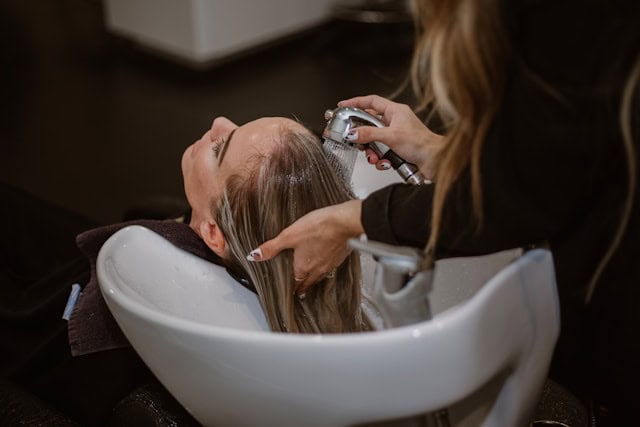
Treatment shampoo places the active ingredient where dandruff begins. It removes sebum, shed cells, styling residue, and environmental debris that can collect around follicles. A 1% zinc pyrithione formula helps control microorganisms linked with flaking and irritation. Product directions usually recommend use up to three or four times each week, with adjustments based on oil production, dryness, and individual tolerance.
After creating a lather, users should leave it on the scalp for two or three minutes before rinsing. Immediate removal may shorten exposure and limit the ingredient’s opportunity to act across irritated areas.
Why Conditioner Still Matters
Frequent medicated washing may leave the cuticle rough or increase a dry, tight sensation. Conditioner helps reduce friction between strands, improving softness and detangling during rinsing. Colloidal oatmeal can support a more comfortable scalp, while botanical antioxidants help protect the hair fiber from daily stress. A brief application of 30 to 60 seconds provides moisture.
A Two-Part Method Supports Balance
Each product serves a different purpose, and the order is important. Shampoo cleans the scalp and delivers treatment, while conditioner restores slip, softness, and easier handling. Together, those steps can reduce the harsh feel that causes some people to stop using medicated cleansers. The result is a routine that addresses visible flakes while preserving the texture of freshly washed hair.
Consistency Affects Results
Treatment requires regular use, correct placement, and sufficient contact time. Applying cleanser mainly to the lengths can miss the affected skin beneath the hair. Rinsing after a few seconds may also reduce its benefits. Conditioner should be applied on the scalp and strands when directed, followed by thorough removal. Wash frequency can be adjusted according to oiliness, dryness, sweating, and styling-product accumulation.
Habits That Can Support Scalp Care
Simple habits may help maintain a calmer scalp between treatment days. Lukewarm water generally causes less dryness than hot water. Fingertips should massage gently, since fingernails can create small abrasions and worsen inflammation. Hairbrushes, pillowcases, and hats require regular cleaning when oil or residue accumulates. Lightweight styling products near the roots may also reduce buildup around affected areas.
What to Expect During the Initial Weeks
Visible flaking may begin to decrease within the first week of regular use, though the pace depends on severity, oil production, and how consistently the products are applied. Some people notice less itching before they see fewer flakes. Mild dryness or a brief adjustment period can occur as the scalp responds to a new active ingredient. These reactions usually settle within a few washes.
Noticeable improvement in both comfort and appearance typically occurs over two to four weeks of continued use. Progress is typically not linear. Stress, weather changes, sweat, or skipped washes can cause temporary setbacks. However, this does not mean the routine has stopped working.
When Professional Advice Helps
Persistent redness, thick plaques, tenderness, bleeding, or sudden shedding warrants medical assessment. Such signs may indicate psoriasis, eczema, folliculitis, infection, or another disorder requiring different treatment. A dermatologist can examine the scalp, distinguish overlapping symptoms, and recommend appropriate therapy. Medical advice becomes especially important when consistent home care produces little improvement after several weeks or symptoms continue to spread.
Conclusion
Dandruff care works best when scalp treatment and hair protection occur together. An active cleanser can address oil, yeast activity, and loose scale, while conditioner supports softness and reduces friction. When used according to directions, this routine may help maintain a clearer, more comfortable scalp without leaving hair dry or unmanageable.