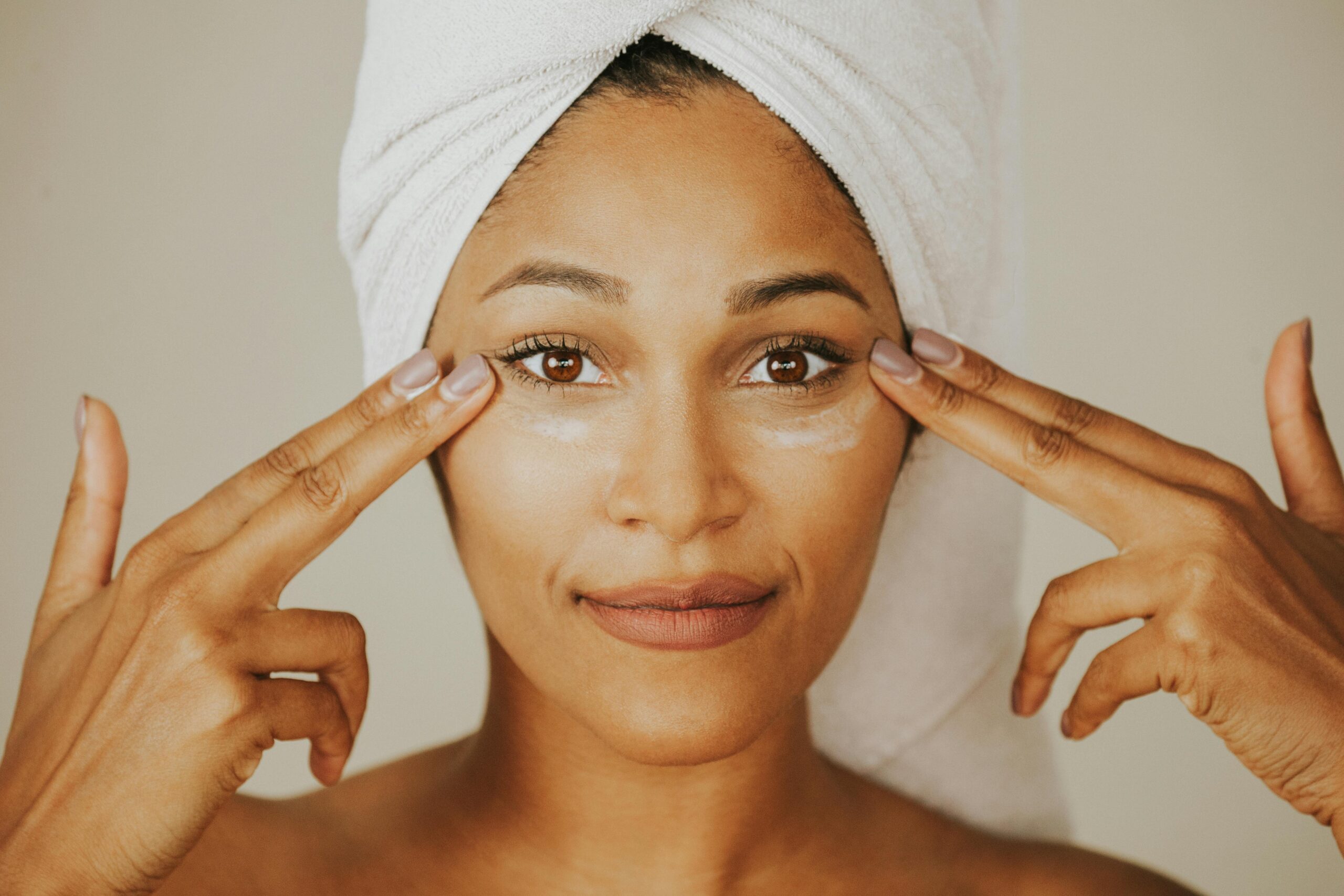
When most people think of self-care, mental images of bubble baths, yoga mats, and scented candles often come to mind. While these activities certainly play a role in stress relief, the healthcare world offers another, frequently overlooked, perspective: self-care that’s grounded in medical science. In clinical settings, self-care isn’t just about feeling good; instead, it’s about actively preserving and improving your health, both physically and mentally.
Fortunately, you don’t have to be a medical professional to benefit from these evidence-based strategies. This article highlights several self-care practices borrowed from the clinical world that anyone can incorporate into their daily life for a holistic boost to well-being.
Routine health monitoring
One of the most fundamental self-care lessons from the medical field is the value of regular check-ins, both with professionals and yourself. Doctors and nurses routinely monitor patients’ vital signs, weight, and symptoms to detect issues early. You can do the same at home with tools like digital blood pressure monitors, heart rate and oxygen level trackers, and apps that log symptoms, medications, or moods.
Early detection is a key principle in preventive healthcare. This is why it is imperative that you prioritize medical screenings regularly. While this may seem like additional admin, by tracking trends in your own body and behavior, you can identify and treat potential issues before they become serious.
Clinical sleep hygiene techniques
We often underestimate the power of getting quality rest. When the demands of life are at their peak, our first defence is to sacrifice our sleep to try and meet them all. This is dangerous for our overall health, as sleep deprivation is linked to a host of health problems from impaired immunity to chronic disease.
In hospitals and clinics, professionals emphasize sleep hygiene as a tool for recovery and wellness. This involves adding practices such as setting consistent sleep and wake times, limiting screen use before bed, avoiding caffeine late in the day, and creating a sleep-friendly environment (cool, dark, and quiet), to name a few, to your physical wellness toolkit.
Mindfulness backed by research
Mindfulness and meditation aren’t just trendy buzzwords. They’re clinically validated tools for reducing anxiety, managing chronic pain, and improving concentration. Many healthcare systems now integrate mindfulness-based stress reduction into patient care.
A good way of incorporating this into your life is to try to set aside a few minutes a day for mindfulness exercises, such as conscious breathing, meditation, body scans, and guided visualization, whether as a morning ritual or before bedtime practice.
Food as medicine
In clinical settings, dietary interventions are often the first line of defense against illness. Nutritionists and doctors recommend whole-food-based diets that reduce inflammation, improve gut health, and promote longevity.
To engage in preventative health care, try to incorporate clinical-style eating habits such as limiting ultra-processed foods, prioritizing fiber-rich fruits and vegetables, drinking enough water throughout the day, and eating regular, balanced meals.
These are simple but powerful ways to boost your energy, support immune function, and reduce long-term health risks.

Exercise as prescription
Doctors often prescribe physical activity as part of recovery or prevention. This often includes the recommended amount of physical activity per week, along with strength-building exercises.
Rather than seeing exercise as a chore, try approaching it like a medical prescription. Even small, consistent doses like a 20-minute daily walk can dramatically improve heart health, mental clarity, and mood.
Setting boundaries to prevent burnout
In hospitals, professionals are trained to recognize and manage burnout, which is a condition that is now officially recognized by the World Health Organization as a result of chronic workplace stress.
One key to prevention is setting boundaries. To do this by saying no to non-essential commitments, prioritizing downtime, using time-blocking techniques to prevent over-scheduling, and taking regular “mental health days” when needed.
Customized care
While many self-care techniques can be self-managed, personalized advice from a qualified healthcare provider can elevate your wellness journey. After all, clinical professionals have the tools to tailor strategies to your unique biology, history, and lifestyle.
For the most personalized advice, it’s a good idea to go to your GP or someone with a doctor of nursing practice online qualification, where they can look at your medical history and run tests to tailor a self-care routine based on your unique requirements.
Self-care isn’t about indulgence. Instead, it’s about maintenance, prevention, and empowerment. By taking cues from the clinical world, you can create a routine that supports your health in meaningful, evidence-based ways. From regular check-ins and healthy meals to mindfulness and boundary-setting, these medical-grade strategies can help you live a more balanced and resilient life.
Remember, self-care is a skill that is worth practicing with the same intention and diligence that medical professionals use in patient care. Your body, mind, and future self will thank you later.