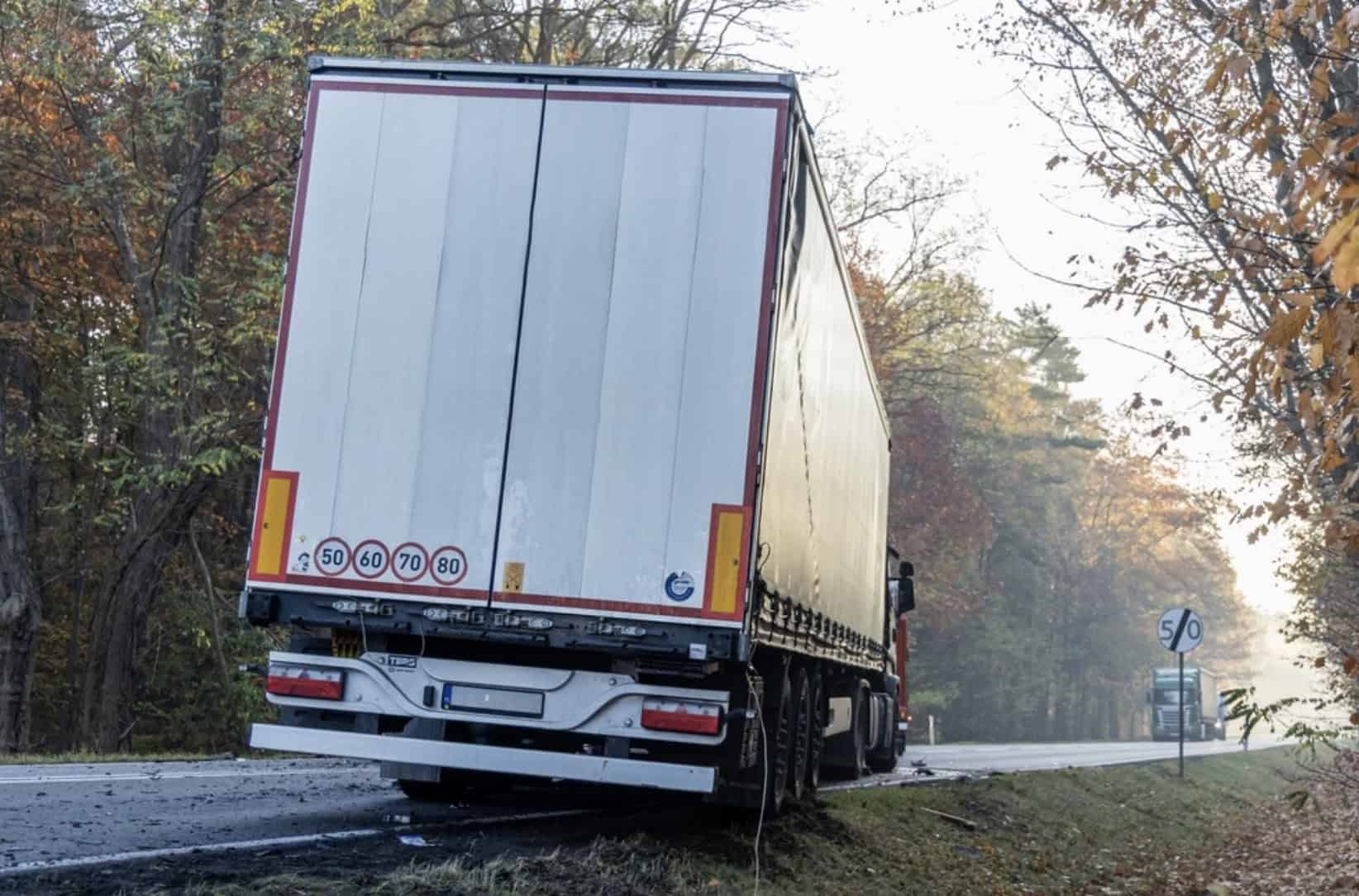
A delivery truck carries more than packages. Behind every route are drivers, companies, vehicle owners, loading teams, and schedules, each with a different role. That chain of responsibility can become important after a crash. The person behind the wheel may not be the only party whose actions matter. If you are trying to determine who is liable for a delivery truck accident, the answer may depend on what caused the collision and who had control over that part of the operation. Looking at the full picture can reveal details that are easy to miss, such as poor maintenance, unsafe loading, or company decisions. Knowing where to look can make it easier to identify the parties who may have legal responsibility.
1. Identify Who Employed or Controlled the Driver
A driver may be a company employee, an independent contractor, or someone working through a separate delivery service. This relationship can affect whether the company may be responsible for the driver’s conduct.
Records can help clarify the arrangement. Useful information may include:
- Employment or contractor records
- Delivery assignments and schedules
- Company policies given to the driver
- Training and supervision records
If the driver was carrying out assigned work, those details may help show how the company and driver were connected to the crash.
2. Check Who Owned or Operated the Truck
The company whose name appears on the truck is not always the legal owner. A delivery vehicle could be leased, rented, or owned by another business. The owner and the company operating the vehicle may have different responsibilities.
Vehicle registration, lease agreements, insurance claim information, and company records can help identify the parties involved. That may include decisions about inspections, repairs, and drivers.
3. Look Closely at Maintenance and Vehicle Condition
A mechanical problem can also create dangerous conditions. Faulty brakes, worn tires, broken lights, steering problems, or other defects may affect how a delivery truck operates.
Maintenance records can provide important clues. They may show:
- Whether regular inspections were completed
- What repairs were requested
- Whether known problems were fixed
- Who maintained the vehicle
If a company ignored a known safety problem, the evidence may become relevant to determining responsibility for the collision.
4. Examine How the Cargo Was Loaded
A delivery truck’s cargo can affect much more than the weight of the vehicle. Packages that are overloaded, poorly balanced, or not secured properly can shift during travel. This can make the truck harder to control, especially during turns, sudden stops, or other changes in traffic.
The person responsible for loading the truck may therefore be important to the liability investigation. Depending on the situation, that could be the driver, delivery company, warehouse staff, or another business handling the shipment.
Photos of the cargo area, loading records, shipment information, and statements from workers may help establish whether improper loading contributed to the accident.
5. Determine Whether Another Driver Contributed
Not every delivery truck crash is caused entirely by the truck or its driver. Another motorist may have changed lanes without warning, ignored a traffic signal, followed too closely, or made another unsafe move that contributed to the collision.
That is why the events leading up to the crash should be examined carefully. Useful evidence can include:
- Police reports
- Statements from witnesses
- Traffic or security camera footage
- Vehicle damage and accident-scene photographs
- Available electronic vehicle data
This evidence can help separate assumptions from what the facts actually show. It may also reveal that more than one party contributed to the accident.
6. Review the Delivery Company’s Policies and Decisions
Responsibility may also involve decisions made before the truck ever reached the crash site. A company could have policies or practices that affect driver safety. For example, pressure to meet unrealistic delivery schedules, inadequate training, or failure to address repeated safety concerns may become relevant if those actions contributed to the accident.
Company records can sometimes provide useful context. These may include training materials, safety policies, delivery schedules, driver logs, inspection records, and communications about known problems. The key issue is whether a company decision or failure played a role in causing the crash.
Bringing the Liability Picture Together
Determining responsibility is not simply about finding the person who was driving. A delivery truck accident can involve several connected parts of a larger operation. The driver, vehicle owner, delivery company, loading team, maintenance provider, or another motorist may each have a role depending on the facts.
Evidence should be examined alongside the cause of the crash. A clear connection between a party’s action or responsibility and the accident is important. Gathering records early can also help preserve information that may later be difficult to obtain.
Start With the Details That Matter
The answer to who is liable for a delivery truck accident may not be found in one document or one person’s account. It often takes a closer look at employment records, vehicle ownership, maintenance history, loading practices, driving behavior, and company policies.
A delivery truck accident can raise legal issues that are not always clear from the crash itself. Speaking with an experienced personal injury attorney can help you assess your situation, consider the parties involved, and determine how to move forward with your claim. Getting case-specific guidance can help you approach the next stage with a clearer plan.