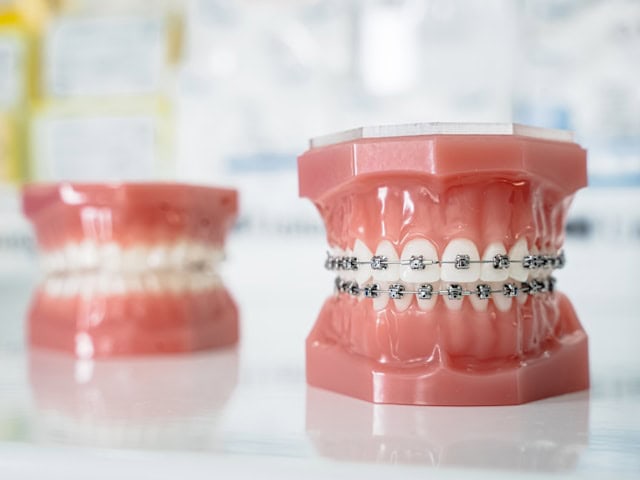
In the world of orthodontics, the decision between traditional metal braces and invisible braces—like clear aligners—has grown increasingly significant. While clear aligners offer a more discreet option, they typically come at a higher price point. So, why do many patients choose to invest in invisible braces, even when faced with these added costs?
The Appeal of Aesthetics
One of the leading reasons patients select invisible braces is aesthetics. For many, the thought of wearing metal braces evokes discomfort, embarrassment, or even social anxiety. This is particularly true for adults and teens who wish to maintain a polished appearance throughout their treatment.
Invisible aligners are virtually undetectable, allowing wearers to smile confidently without feeling self-conscious. This perception can have a positive impact on social interactions, job interviews, or aspects of public life, making them worth the investment for many patients.
Comfort and Convenience
Another compelling reason for choosing invisible braces is the comfort factor. Traditional braces can often cause irritation to the gums and cheeks, leading to a painful adjustment period. Clear aligners, on the other hand, are custom-made from smooth plastic material that tends to be gentler on the soft tissues of the mouth.
Moreover, aligners can be removed during meals or when brushing teeth, allowing for a more flexible lifestyle. Patients appreciate the ability to enjoy their favourite foods and maintain oral hygiene without significant inconvenience. This ease of use attracts a demographic that values comfort over cost.
Personalised Treatment Plans
Modern orthodontics has embraced technology in ways that profoundly change patient experience and outcomes. Many practices, such as Boston Orthodontics, utilise advanced imaging and modelling techniques to create customised treatment plans. This personalised approach ensures that patients receive a plan tailored to their unique dental needs and aesthetic goals.
By investing in invisible braces, patients often find that their treatment is not only more effective but also more aligned with their personal preferences. Self-determination in treatment adds an emotional layer that is hard to quantify in monetary terms, yet it plays a crucial role in patient satisfaction.
The Long-term Perspective
When evaluating the choice between metal braces and invisible aligners, it’s essential to consider the long-term implications of each option. Patients willing to invest in invisible braces often perceive them as a better long-term solution.
Research shows that adherence to wearing aligners as directed leads to successful treatment outcomes, potentially reducing the need for additional orthodontic work in the future. In contrast, traditional braces may require longer periods of treatment and additional visits, which can also translate to higher indirect costs in terms of time off work or school.
Social and Psychological Factors
Beyond the practical considerations, the choice of invisible braces often ties back to social and psychological factors. The stigma attached to wearing metal braces, particularly in adulthood, can lead to feelings of insecurity.
Many individuals consider how they might be perceived in social settings—will they appear more professional or attractive? Such concerns can weigh heavily on decision-making. Invisible braces not only allow individuals to correct their dental issues but also empower them to feel confident and in control of their image.
Brand Influence and Awareness
Marketing and brand recognition also play a crucial role in the increasing popularity of invisible braces. Clear aligner brands have heavily invested in advertising and social media to build awareness about the benefits of their products, often showcasing real-life success stories.
As more individuals become aware of their options, their inclination to explore invisible braces grows, even if that means spending more upfront. The perceived value of investing in a product associated with positive outcomes can significantly influence patient decisions.
The Value of Professional Guidance
Lastly, choosing the right orthodontist is key. Many patients seek recommendations from friends or family members, or rely on online reviews to find well-reviewed specialists.
Prominent orthodontic services, such as Boston Orthodontics, provide a clear consultation process, allowing patients to understand the differences between various treatment options, including their costs and benefits. This transparency helps patients weigh their choices holistically.
Conclusion: Investing in Your Smile
In summary, the decision to opt for invisible braces, often at a higher cost, can be understood through various factors—ranging from aesthetic preferences and comfort to social perceptions and long-term implications.
Ultimately, the choice reflects not just a financial decision, but a valuable investment in self-esteem and quality of life. For those weighing their orthodontic options, it is worth having a comprehensive conversation with an experienced orthodontist who can help navigate the complexities involved.
With so many factors at play, it is clear that choosing invisible braces is more than a financial decision; it’s about aligning personal values with dental health goals for a brighter, more confident smile.