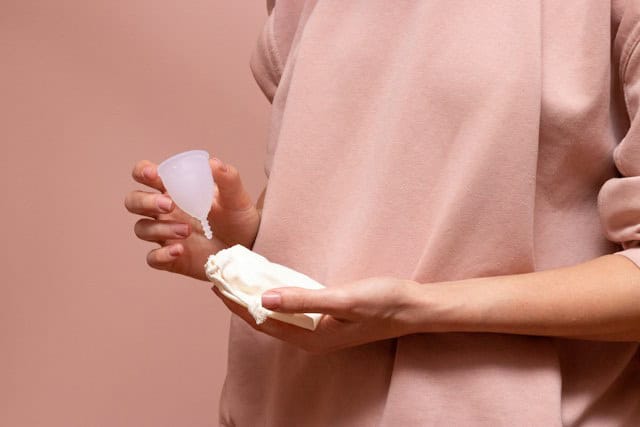
Heavy menstrual bleeding can turn ordinary routines into repeated product changes, nighttime checks, and hurried bathroom visits. Pads absorb fluid outside the body, so they may saturate before you can take a break. A menstrual cup collects blood internally, providing greater capacity during peak hours. That difference can matter during sleep, work, travel, and exercise. Actual wear time depends on bleeding volume, anatomy, fit, and placement, but internal collection generally permits longer intervals than external absorption.
Capacity Makes the Main Difference
High-flow periods can fill a pad quickly, especially in the first few days. A menstrual cup for heavy flow stores fluid inside a flexible vessel rather than distributing it across an absorbent surface. This setup can reduce changes, conserve supplies, and limit skin contact. Wearers still need regular checks, but the larger internal volume often creates more time between bathroom visits.
Cups Hold More Liquid
Pad capacity varies by length, absorbent material, and construction. Many menstrual cups hold about 20 to 30 milliliters, while larger models may contain more. During a heavy episode, external protection can reach saturation before an internal reservoir fills. Capacity does not remove the need for monitoring. It may, however, extend coverage through the busiest part of a day.
Why Pads Reach Their Limit
Pads draw liquid into layered material, spreading moisture across a broad area. Once the absorbent core becomes saturated, fluid can travel sideways, backward, or toward the skin. Sitting, sleeping, and physical activity may increase pressure against those layers. A cup keeps collected blood in one container, reducing surface overflow until it fills.
The Twelve-Hour Claim Needs Context
The linked product page states that reusable cups and discs can provide up to 12 hours of protection. That number describes a maximum interval, not a universal schedule. Someone with heavy bleeding may need to empty them earlier during peak hours. Another wearer may manage overnight. Manufacturer directions and personal flow patterns should determine the routine.
Fewer Changes Can Lower Costs
Frequent pad replacement raises monthly spending and creates more household waste. Six pads daily across five heavy days equals 30 units each cycle. A reusable cup can serve for many cycles with appropriate cleaning and storage. The upfront cost is higher, but repeated use may reduce long-term costs. Savings depend on lifespan, local prices, and replacement habits.
A Seal Still Matters
Capacity cannot compensate for poor positioning. The cup must open fully, sit near the cervix, and maintain a dependable seal. Incorrect placement can cause leakage even when unused space remains. Size selection depends on cervix height, pelvic floor strength, anatomy, and comfort. Practice during a lighter day can help a wearer assess insertion, removal, and fit.
Heavy Flow and Clots
Clots can increase menstrual volume within a short period. A cup lets the wearer see the collected blood after removal, supporting more accurate tracking. Emptying into a toilet, rinsing with clean water, and reinserting maintains a practical routine. Filling repeatedly within one or two hours warrants medical evaluation, particularly with dizziness, breathlessness, or persistent fatigue.
Comfort During Long Stretches
External pads may cause dampness, rubbing, or irritation during prolonged wear. Properly positioned silicone keeps menstrual fluid away from surrounding skin. Some wearers find that arrangement less noticeable during sleep, swimming, walking, or exercise. Removal requires patience. Pressing the base to release suction is gentler than pulling the stem alone, which can create discomfort.
Cleaning Supports Longer Use
The linked page identifies medical-grade silicone as the cup material and states that it contains no BPA or added fragrance. Washing after removal helps maintain hygiene between uses. Many care instructions also recommend boiling the cup before or after each cycle. Following the manufacturer’s guidance matters. A dry storage pouch protects the material, while tears, stickiness, or a lingering odor indicate it’s time to replace it.
Choosing a Suitable Model
Comparison should include capacity, diameter, length, firmness, and care instructions. A larger model may hold more fluid, yet increased size does not guarantee comfort or a secure seal. Cervix height can shift during menstruation, affecting placement. People with persistently heavy bleeding should seek clinical advice, while personal testing helps identify an appropriate fit.
Conclusion
A menstrual cup can last longer than pads during heavy periods because it collects blood internally and usually provides greater usable capacity. Pads may reach saturation quickly, whereas a cup can offer several additional hours before emptying. The linked page lists up to 12 hours of protection, although substantial bleeding may shorten that interval. Correct sizing, a secure seal, careful cleaning, and medical support for unusually heavy loss promote safer, more reliable use.