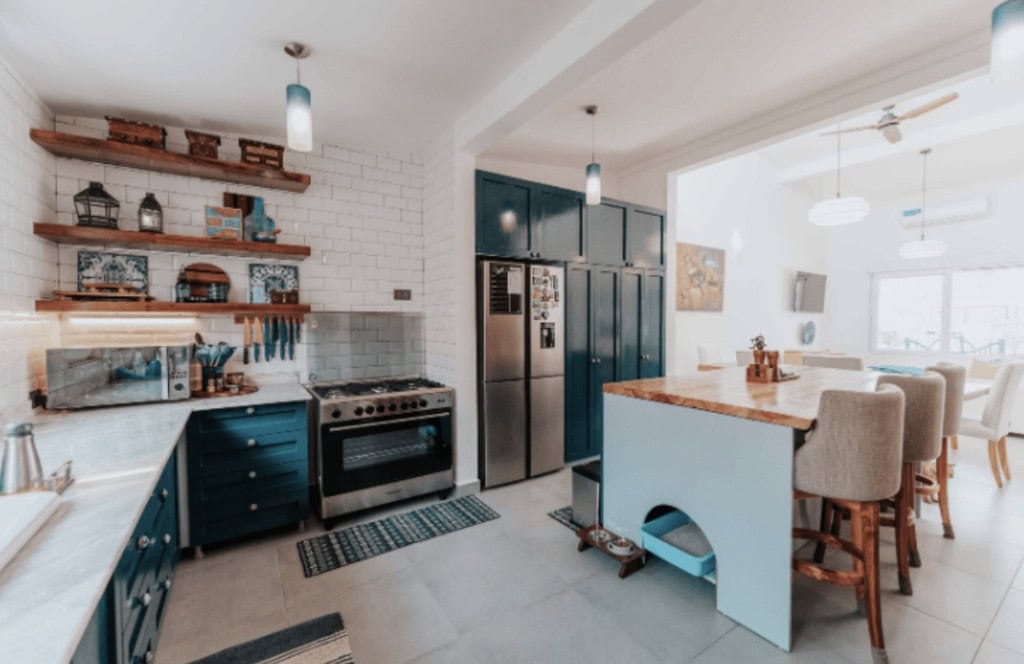
Our homes shape how we feel each day. The light that filters through the windows, the textures we touch, and even the layout of a room can influence whether we feel calm, focused, or overwhelmed. While we often think of home design in terms of aesthetics, the deeper value of a well-designed space lies in its support for our mental well-being.
Thoughtful design doesn’t require dramatic renovations or trendy décor. Instead, it’s about creating environments that feel comfortable and supportive of everyday life. When the elements of a home work together, they can help foster a sense of calm and clarity that carries into the rest of the day.
Below are several design approaches that show how the spaces we live in can play a meaningful role in our emotional health.
Creating Spaces That Encourage Calm
One of the simplest ways design influences mental well-being is through the atmosphere of a room. Cluttered, poorly arranged spaces can create subtle tension, while well-organized environments tend to promote relaxation.
Thoughtful layout plays an important role here. Rooms that allow easy movement and clear sightlines often feel more comfortable to spend time in. Furniture placement that encourages conversation or quiet relaxation can subtly shape how we interact with our surroundings.
Color and material choices matter as well. Soft, neutral tones and natural textures tend to create a calming effect. Wood, stone, linen, and metal finishes introduce visual depth without overwhelming the senses. Even small adjustments, like simplifying a countertop or rearranging furniture to allow more natural light, can change how a space feels almost immediately.
Bringing Natural Elements Into Everyday Living
Humans tend to feel more comfortable in environments that reflect the natural world. This idea, often referred to as biophilic design, focuses on incorporating natural materials, textures, and light into interior spaces.
Large windows, indoor plants, and organic materials all contribute to a more grounded environment. Natural light, in particular, can have a noticeable impact on mood and energy levels throughout the day. Rooms that maximize daylight often feel more open and uplifting. You can take things a step further here by adding fire pits from reputable brands such as World Coppersmith.
Materials also play a psychological role. Surfaces that feel authentic, such as stone counters, wood flooring, or metal fixtures, add richness to a space. These elements connect a home to the outside world, making interiors feel less artificial.
Design choices that highlight craftsmanship can enhance this effect. Hand-finished materials or custom pieces introduce character and authenticity, reminding us that a home is a functional space and a living environment shaped by thoughtful design.
Designing Kitchens That Support Daily Well-Being
The kitchen is often one of the most active spaces in a home. It’s where meals are prepared, conversations happen, and routines begin and end. Because of this, the design of a kitchen can influence not only efficiency but also the overall emotional tone of daily life.
A kitchen that feels welcoming encourages healthier habits and more enjoyable moments with family or friends. Layout plays a central role here. Work surfaces should feel intuitive and accessible, allowing cooking tasks to flow smoothly.
Materials also contribute to the experience. Durable surfaces, warm finishes, and well-crafted fixtures help kitchens feel both functional and inviting. High-quality features can elevate everyday routines, turning simple tasks like washing dishes or preparing food into more pleasant experiences.
For example, thoughtfully designed elements such as handcrafted kitchen sinks can add beauty and practicality to the space. When design balances durability with visual warmth, the kitchen becomes a place where people genuinely enjoy spending time.
Using Texture and Material to Shape Atmosphere
Beyond layout and lighting, the tactile qualities of a home also influence how we experience a space. Texture adds depth and emotional richness to interiors, making them feel more welcoming and comfortable.
Soft textiles, natural fibers, and carefully selected finishes can soften the atmosphere of a room. A combination of materials such as wood cabinetry, stone surfaces, and metal accents creates visual interest without relying on excessive decoration.
Metal elements, in particular, can introduce warmth when used thoughtfully. Copper, for example, has a distinctive tone that feels both classic and inviting. When incorporated into architectural details, it can enhance the overall mood of a space.
Designers often appreciate materials that age gracefully over time. Instead of appearing worn, they develop character through use. CopperSmith, known for its handcrafted metal fixtures, emphasizes this quality in its work, creating pieces that evolve alongside the home itself.
These kinds of materials contribute to an environment that feels lived-in rather than overly polished, which often makes a space feel more comforting and authentic.
Designing Areas for Quiet and Reflection
While many homes focus on shared spaces, mental well-being also benefits from areas designed for solitude and reflection. Even a small corner dedicated to quiet activities can make a meaningful difference.
Reading nooks, or simple lounge areas, can provide a break from the busier parts of a home. These spaces only require comfortable seating, good lighting, and a sense of separation from high-traffic areas.
Thoughtful acoustics can also help. Soft furnishings, rugs, and curtains absorb sound, creating a quieter atmosphere that encourages relaxation.
When homes include both active spaces and quiet retreats, they better support the natural rhythm of daily life. Moments of calm become easier to access, helping residents recharge without needing to leave their environment.
Building a Home That Supports Emotional Balance
Thoughtful home design ultimately comes down to intention. Every element, including layout and lighting, to materials and textures, contributes to how a space feels and functions.
A well-designed home should support the routines, relationships, and moments that make daily life meaningful. Kitchens become places where people gather, living rooms encourage connection, and quiet corners offer space to slow down.
By paying attention to how design choices influence mood and comfort, homeowners can create environments that feel supportive. Over time, these small decisions shape homes that reflect personal style and also nurture emotional well-being.