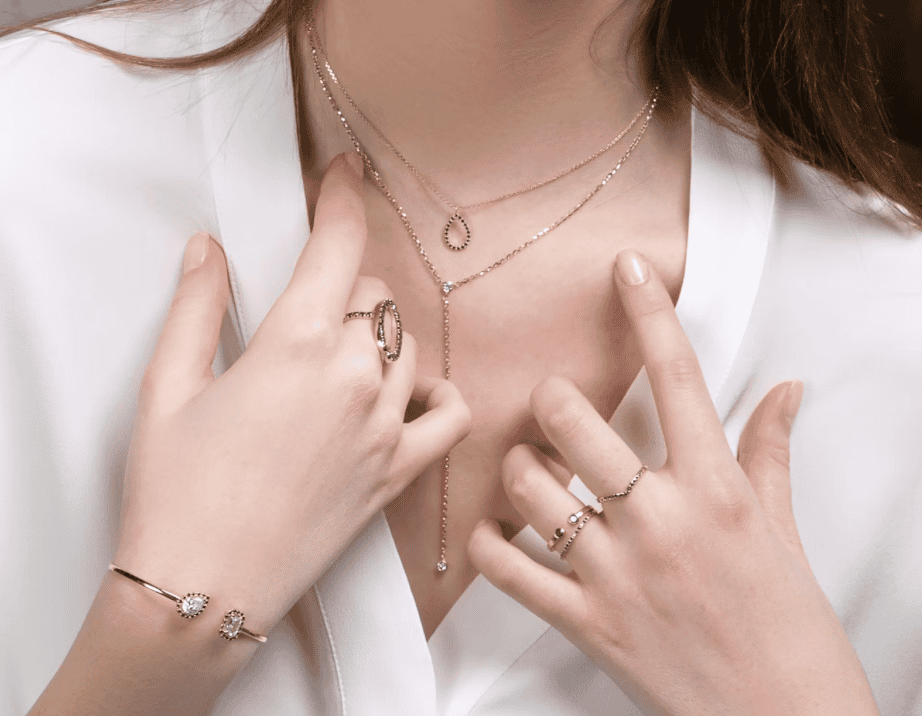
Self-care is broader than most people give it credit for. It includes physical comfort, emotional connection, and the daily habits that help someone feel more like themselves. Jewelry can serve all three. A familiar ring can feel grounding during a hard week, and a piece chosen for its meaning rather than its price tag can quietly reinforce self-confidence and self-expression in ways that accumulate over time.
When something worn on the body functions as a mood booster, a personal anchor, or a small act of self-recognition, it has moved well beyond decoration. That intersection between wellness and personal adornment is exactly what this article explores.
Why the Right Jewelry Can Feel Restorative
The connection between jewelry and well-being is not simply a matter of looking good. According to psychology research, the objects people choose to wear close to their bodies can influence self-perception, mood, and emotional grounding in meaningful ways. The right piece can function as a mood booster, a quiet signal of self-confidence, or a daily reminder of personal values.
What makes a piece “right” has little to do with its price or its trend status. It has everything to do with how intentionally it was chosen. Self-care, in its most practical form, includes physical comfort, emotional connection, and the small daily rituals that help someone feel more like themselves. Jewelry can serve all three of those needs when selected with awareness rather than habit.
Self-expression through adornment is a deeply human behavior, and the emotional well-being benefits that come from it are most consistent when the choice feels authentic. A piece that reflects who someone actually is, rather than who they think they should appear to be, tends to carry more restorative weight than anything chosen purely for external approval.
Choosing Jewelry That Supports How You Feel
Selecting jewelry with self-care in mind means working through two distinct but connected layers: how a piece feels on the body, and what it means to the person wearing it. Both matter, and neither should be skipped.
Start with Comfort, Not Just Appearance
Before symbolism or style even enters the picture, comfort is the first filter that determines whether a piece of jewelry supports well-being or quietly undermines it. A ring that pinches, a necklace that pulls, or a bracelet that catches on everything throughout the day can create a low-level distraction that chips away at ease rather than adding to it.
Weight, fit, and material all contribute to how a piece actually feels during wear. Lightweight metals and well-sized settings tend to disappear into the day, while poorly fitted or heavy pieces draw attention to themselves in the wrong way.
Skin sensitivity is another consideration that deserves more attention than it usually gets in fashion conversations. For anyone with sensitive skin, irritation from ear jewelry or other wearable pieces can turn what should be a calming daily ritual into a source of discomfort. Understanding which jewelry metals are hypoallergenic can help narrow down choices to accessories that are genuinely wearable, rather than those that simply look good in a display case.
Let Symbolism Guide Your Daily Choice
Once physical comfort is established, emotional connection becomes the next layer of a thoughtful choice. Symbolism is what transforms jewelry from an accessory into something that carries personal meaning, and that meaning can make a piece feel grounding, uplifting, or quietly encouraging throughout the day.
Personalized jewelry is one of the most direct ways to build this kind of connection. Initials, significant dates, and sentimental pieces all carry a sense of intention that generic items rarely replicate.
Gemstones offer another dimension. Rose quartz is widely associated with emotional warmth and self-compassion, while amethyst is often linked to calm and mental clarity. Whether someone values these stones for cultural tradition or simply for what they represent personally, the effect on mindfulness and mood can be real. Wearing something chosen with purpose tends to invite a small but consistent reminder of that intention throughout the day.
How Jewelry Shapes Confidence and Presence
Jewelry does more than complete a look. When chosen with intention, it can quietly reinforce how someone carries themselves, both in personal moments and in professional ones. That connection between adornment and confidence is worth understanding more closely.
Small Style Choices Can Shift Self-Esteem
There is a reason people reach for a particular piece before a difficult conversation or an important day. Wearing jewelry that aligns with personal style can create a quiet but genuine shift in self-esteem, not because the piece changes anything external, but because the act of choosing it sends a signal inward.
That signal is one of self-recognition. When someone selects something that reflects who they are rather than what they think they should wear, it functions as a small act of self-expression and empowerment. The effect accumulates over time, and pieces chosen with intention tend to feel more like extensions of identity than additions to an outfit.
What builds self-confidence most reliably is authenticity rather than performance. The best confidence-supporting pieces are not always the most expensive or the most eye-catching. They are the ones that feel honest, that sit comfortably in the body and in the sense of self. Exploring personal adornment as self-expression shows just how much these small, consistent choices can say about identity over time.
At Work, Jewelry Can Reinforce Presence
Professional presence is often thought of as something shaped by clothing choices alone, but jewelry plays a quieter and more deliberate role than it is usually given credit for.
A well-chosen piece can reinforce a sense of readiness and composure before walking into a meeting or a challenging interaction. It does not need to be bold to do that work. Intentionality matters far more than scale or expense.
Simple, considered pieces can signal polish and self-assurance without demanding attention. For many people, wearing something that feels personally meaningful at work creates a subtle thread back to their own sense of identity, which can steady composure when professional pressure builds.
Making Jewelry Part of a Mindful Ritual
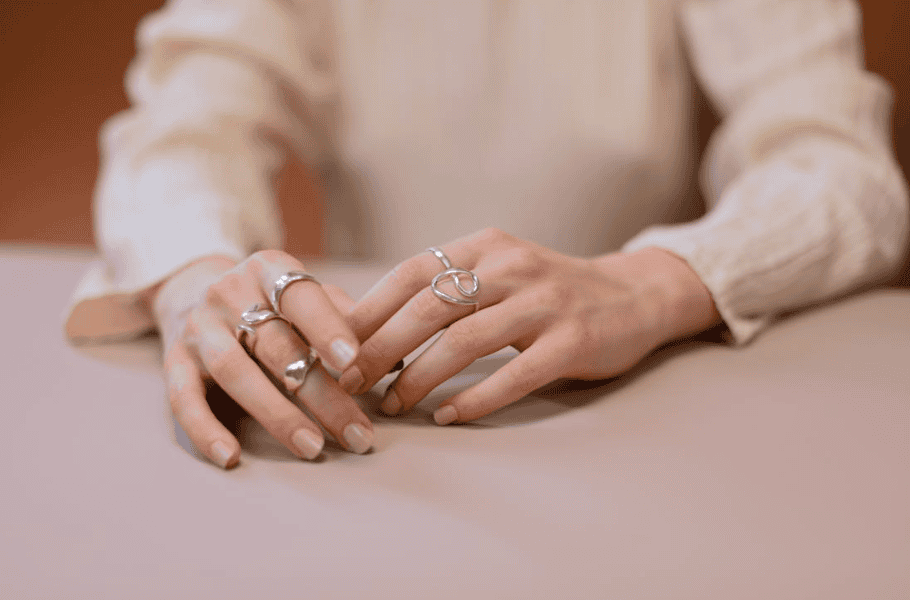
Mindful jewelry selection is different from impulse accessorizing. Where impulse reaches for whatever is nearby, intention pauses to ask what actually feels right, and that distinction is what turns a small morning habit into a genuine self-care practice.
The Act of Choosing Can Slow You Down
Morning routines move fast, but selecting jewelry with intention offers a natural pause that can function as a short mindfulness practice before the day begins. Taking even a few moments to consider which piece feels right, rather than grabbing whatever is nearby, invites a small but genuine check-in with emotional well-being.
That pause does not need to be formal or lengthy. The act of holding a familiar piece, noticing how it feels, and choosing it deliberately is enough to create a moment of self-awareness. Over time, this kind of intentional selection becomes one of those beauty rituals and personal style practices that quietly supports mental health without requiring extra time carved out of an already full day.
Self-care works best when it is embedded in ordinary moments rather than treated as something separate from daily life. A two-minute jewelry ritual asks almost nothing, but it offers a reliable point of calm and focus.
Wearing Cues Can Anchor Your Day
Beyond the morning ritual, certain pieces can serve as ongoing reminders throughout the day. A ring worn with a specific intention, a bracelet chosen to represent a value, or a necklace tied to a meaningful goal can all function as quiet anchors that bring attention back to what matters when the day gets busy or stressful.
Meditation rings, which are designed for tactile engagement, are one example of how physical interaction with jewelry can support grounding and presence. Running a finger along a spinning band is a small, instinctive gesture that some people find genuinely settling.
These wearing cues work because they carry meaning the wearer assigned intentionally. That is what separates a mood booster from an accessory, and what makes jewelry, at its most thoughtful, a genuine support for emotional well-being.
Why Some Pieces Matter More Over Time
Not all jewelry holds equal weight over a lifetime. Some pieces are worn once and forgotten, while others quietly become part of how someone understands themselves, marking transitions, carrying memories, and growing in meaning the longer they are kept.
Sentimental value works differently from monetary value. A piece that belonged to a grandmother, was gifted during a difficult period, or was chosen to mark a personal milestone carries an emotional connection that has nothing to do with current trends or market price. That kind of meaning tends to deepen rather than fade.
Heirloom jewelry is a clear example of how an object can hold identity, memory, and belonging across different life stages. Wearing something passed down through a family creates a sense of continuity that few other personal objects can replicate, placing someone within a longer story than their own.
Beyond heirlooms, any piece chosen with genuine intention can develop this kind of symbolism over time. A ring bought during a period of personal growth, or a necklace selected to represent resilience, becomes a quiet reminder of where someone has been and what they have carried. That long-term emotional investment is often what separates the pieces people keep for decades from the ones they cycle through seasonally. Trend relevance fades. Personal meaning tends not to.
Choose Jewelry That Takes Care of You Too
Self-care through jewelry is not about owning more pieces. It is about choosing with greater intention. The items that genuinely support well-being tend to be the ones selected with awareness: comfort considered first, personal meaning weighed alongside aesthetics, and authenticity treated as more important than trend.
Across the topics explored here, a consistent thread runs through all of it. Wellness and personal adornment connect most meaningfully when the choice reflects something true about the person making it.
A piece that fits well, carries emotional resonance, and aligns with someone’s sense of self can quietly reinforce self-confidence in ways that accumulate over time. None of that requires significant spending or a curated collection.
The most effective self-care tends to be simple, consistent, and personal. Jewelry, chosen with that kind of care, is no exception.