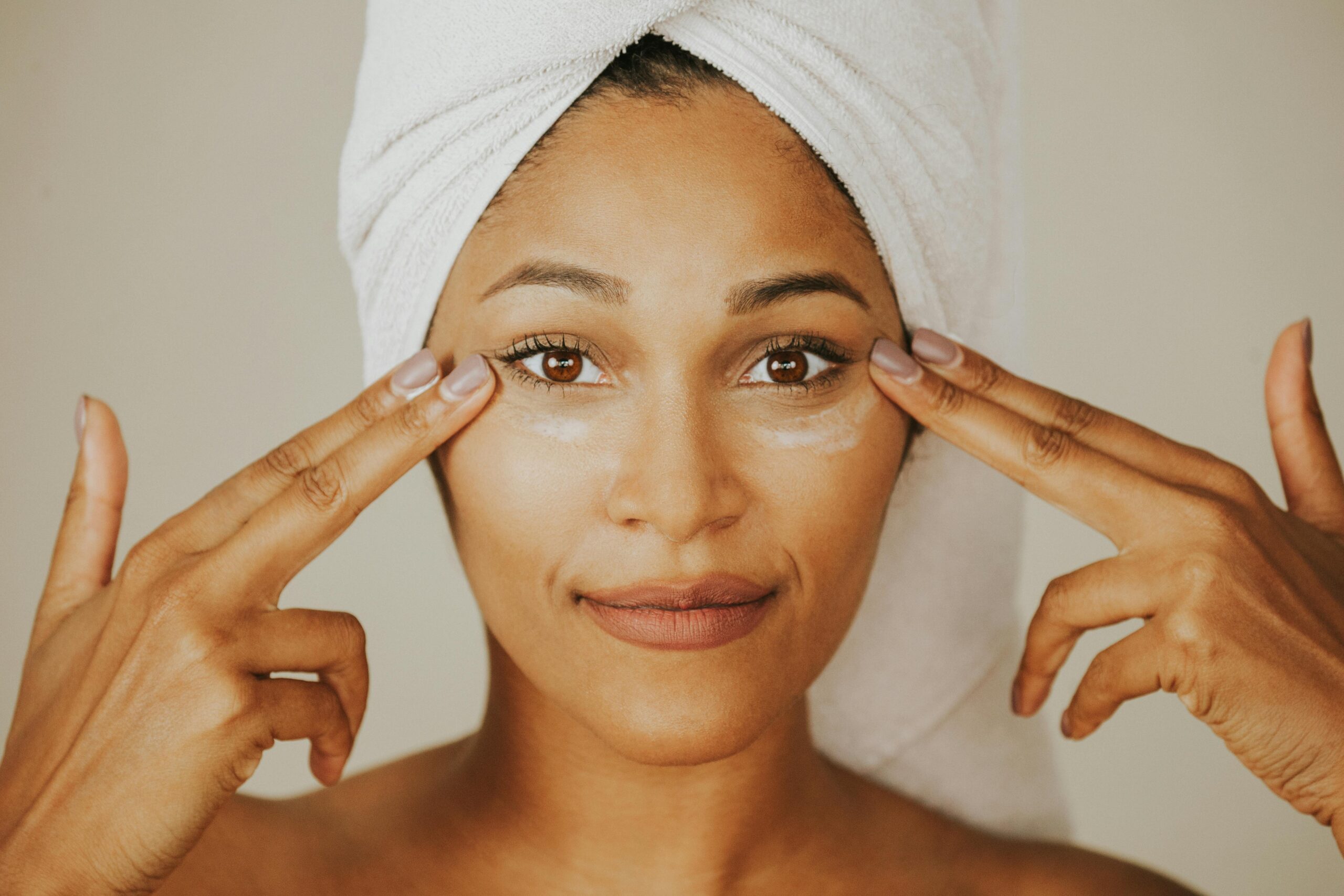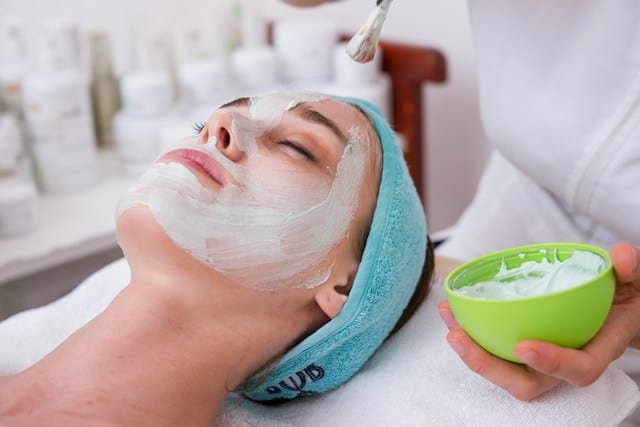
HydraFacials are professional skincare treatments that combine cleansing, exfoliation, extraction, and hydration in one appointment. But there is no single schedule that works for everyone. How often you should get a HydraFacial depends on your skin type, current concerns, treatment intensity, and what you want to maintain. Hydrafacial describes roughly monthly appointments as a common maintenance pattern, although some clients leave longer between visits. An appropriate interval should account for skin tolerance, treatment goals, and the provider’s assessment.
What Is a HydraFacial and How Does It Work?
A branded HydraFacial uses a device with specialized tips and suction to cleanse and exfoliate the skin, loosen and remove surface debris from pores, and deliver hydrating solutions. Depending on the treatment selected, a provider may also customize the session with different solutions, boosters, or other steps.
Hydrodermabrasion is the broader treatment category, and not every device in that category is a branded HydraFacial system. When comparing equipment marketed as a hydrafacial machine, check the manufacturer and treatment protocol, since many of these devices are hydrodermabrasion alternatives rather than branded HydraFacial systems. These systems may combine cleansing, exfoliation, suction-based extraction, and serum application, but features and treatment schedules vary by device.
How Often Should You Get a HydraFacial?
Hydrafacial’s current guidance says many clients book about once a month, while others prefer every two to three months. These are general scheduling examples rather than a clinically established interval for every skin type.
That does not mean monthly treatment is automatically right for every person. Someone with resilient skin who likes regular professional treatments may tolerate a shorter interval, while a person with dryness, sensitivity, or a simple maintenance goal may prefer more time between appointments. Treatment strength matters too. The practical rule is to adjust the schedule according to skin response rather than booking by the calendar alone.
How Often Should You Get a HydraFacial Based on Your Skin Type?
Skin type influences how aggressively the skin should be exfoliated and how much recovery time may be comfortable.
Oily and Acne-Prone Skin
Oily or congested skin may benefit from regular cleansing and extraction, but acne is not one-size-fits-all. A provider may shorten or lengthen the interval depending on oiliness, clogged pores, inflammation, and how the skin responds after treatment. HydraFacials should not replace medical acne care when acne is persistent, painful, scarring, or otherwise needs a dermatologist’s attention.
Dry and Dehydrated Skin
For dry skin, hydration may be the main attraction, but more exfoliation is not always better. If the skin feels tight, flaky, or irritated after treatment, allowing extra recovery time may be more useful than increasing frequency. A gentle home routine and regular moisturizer also matter between appointments.
Sensitive or Reactive Skin
Sensitive skin often benefits from a more cautious schedule. Providers can modify treatment intensity, but reactive skin can still develop temporary redness or irritation. If sensitivity lasts beyond the expected short recovery period, the next appointment may need to be delayed and the treatment approach reassessed.
Do not exfoliate sunburned skin or areas with open cuts or wounds; an active rash or flare of a skin condition should be assessed before treatment rather than managed only by spacing appointments farther apart.
Combination and Mature Skin
Combination and mature skin can have competing needs, such as congestion in one area and dryness in another. Frequency should follow the dominant concern, overall tolerance, and the goals of the treatment rather than age or skin type alone.
| Skin type | General scheduling consideration |
| Oily/acne-prone | Monitor congestion, oil, and inflammation; coordinate with acne care when needed |
| Dry/dehydrated | Prioritize comfort and hydration; avoid unnecessary over-exfoliation |
| Sensitive/reactive | Consider gentler settings and longer recovery intervals |
| Combination/mature | Balance multiple concerns and adjust according to skin response |
How Treatment Goals Affect Your HydraFacial Schedule
General Maintenance and Glowing Skin
If the goal is simply to keep skin looking refreshed and hydrated, periodic treatments may be enough. Many people choose monthly or slightly less frequent appointments, but there is no reason to chase a fixed schedule if results and skin comfort are lasting longer.
Clogged Pores and Uneven Texture
For congestion or uneven texture, a skincare professional may initially recommend closer monitoring and then adjust the interval depending on how quickly clogged pores return. Treatment frequency should also account for other exfoliating products or procedures in the routine so the skin is not being overworked.
Preparing for a Special Occasion
Avoid making your first-ever HydraFacial the day before a major event. Most people return to normal activities quickly, but temporary redness can occur. For an important event, discuss timing with your provider and consider a trial appointment well in advance, especially if you have never had the treatment. Several days may allow temporary redness to settle, but they do not guarantee that an unexpected reaction will resolve.
Can You Get a HydraFacial Too Often?
Yes. More frequent treatment is not automatically more effective. HydraFacials include exfoliation, and repeatedly exfoliating skin before it has fully recovered can contribute to redness, stinging, dryness, or increased sensitivity.
Pay attention to how your skin behaves between appointments. Persistent tightness, burning when applying normally comfortable products, ongoing redness, or new flaking are reasons to give the skin more recovery time. If irritation is significant, keeps returning, or you have an active skin condition, speak with a qualified skincare professional or dermatologist before continuing a frequent treatment schedule.
How to Maintain Your Results Between Sessions
What you do between appointments can matter as much as how often you book them. Keep the routine simple: cleanse gently, moisturize consistently, and use broad-spectrum, water-resistant sunscreen with SPF 30 or higher, reapplying as directed. Avoid stacking multiple strong exfoliants simply because the skin feels smooth after a facial.
Follow the aftercare instructions provided for your specific treatment, especially if acids, boosters, or other add-ons were used. Tell your provider about retinoids, benzoyl peroxide, exfoliating acids, and recent skin procedures so they can advise on timing; do not change prescribed treatment without consulting the prescriber. If the skin feels more sensitive than usual, temporarily simplifying the routine can help reduce unnecessary irritation. A steady home regimen supports comfort and appearance without relying on professional treatment for every part of skin maintenance.
Frequently Asked Questions
Can You Get a HydraFacial Every Two Weeks?
A small 2022 study enrolled 20 adults with mild-to-moderate acne for six HydraFacial Clarifying Treatments at two-week intervals. The protocol included blue LED light, and the study had no control group, so it does not establish biweekly treatment as the best schedule for everyone. Skin response, treatment intensity, existing products, and professional assessment should determine whether that frequency is appropriate.
How Long Do HydraFacial Results Last?
There is no universal number of days. The visible effects of smoother, more hydrated-looking skin vary with skin type, home care, environment, and the treatment performed. Results from a single session are cosmetic and temporary, which is why some people choose periodic maintenance.
Is One HydraFacial Enough?
One treatment may be enough if the goal is a short-term refreshed appearance or simply trying the service. People seeking ongoing maintenance usually choose repeat sessions, but the interval can change over time based on results, tolerance, budget, and other skincare treatments.
Finding the Right Treatment Schedule for Your Skin
Start with your skin type, primary goal, budget, and how your skin feels in the days after treatment. Then adjust rather than assuming that more frequent appointments are better. If you are managing acne, rosacea, eczema, significant sensitivity, or another skin condition, get individualized advice from a qualified professional before committing to a regular HydraFacial treatment schedule.