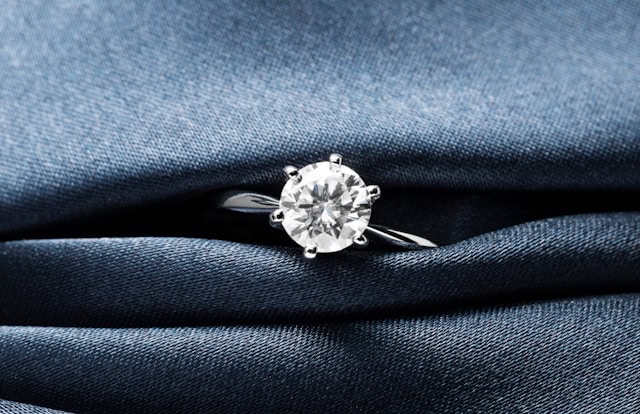
More than half of couples now report their engagement ring features a lab-grown stone, according to The Knot’s 2025 Real Weddings Study. That figure has climbed 40% since 2019, and the reasons are practical. Lab-grown diamonds cost 30 to 40% less than mined diamonds of comparable quality, which means buyers can afford larger stones without stretching their budgets. The average center stone weight for lab-grown rings reached 2.0 carats in 2024, compared to 1.6 carats for natural diamonds. Average engagement ring prices have also dropped to $5,200, down more than 15% from 2021.
The global lab-grown diamond market was valued at $25.89 billion in 2024 and is projected to reach $74.46 billion by 2032, growing at a rate of 14.11% annually. Millennial and Gen Z buyers are driving this growth. Younger generations find it less important for the stone to be natural, with only 22% of Gen Z and 28% of millennials placing high value on mined origin.
Price matters more than many reports suggest. As one industry observer put it: “Consumers are buying lab diamonds because they’re so cheap. It’s all about the price.” Others point out that many buyers want to spend the same amount they would have spent on a mined diamond but walk away with a noticeably larger stone.
This list covers 13 brands that have built strong reputations in the lab-grown diamond space. Each offers something a bit different, from sustainability certifications to custom design services to heritage credentials.
Brilliant Earth: Sustainability Since 2005
Brilliant Earth entered the lab-grown diamond market in 2012, making them one of the first established jewelers to sell these stones. The company was founded in 2005 with a focus on sustainable practices, and they have continued building on that foundation.
Their Capture Collection uses carbon dioxide captured before it enters the atmosphere to create lab diamonds. The Renewable Collection includes diamonds grown, cut, and polished using 100% renewable energy. By the end of 2025, the company plans to have all of its gold and silver repurposed or Fairmined, and more than 50% of their lab diamonds will carry certification for an environmental attribute.
Less than 1% of natural diamonds meet their Beyond Conflict Free standard, which gives context to why the brand leans heavily into lab-grown options.
VRAI: The Zero-Emission Foundry Model
VRAI operates differently from most lab-grown diamond companies because they control their supply chain from diamond creation through final setting. Their foundry in Wenatchee, Washington runs on hydropower from the Columbia River, and it has been carbon-neutral certified since 2017.
The company claims every carat of VRAI-created diamond saves 143 pounds of carbon dioxide, which removes the need for carbon offsets. VRAI is owned by Diamond Foundry, which has attracted attention for its celebrity investor Leonardo DiCaprio.
VRAI is headquartered in San Francisco but operates globally through online sales and showrooms. Their model appeals to buyers who want to know exactly where and how their diamond was made.
GOODSTONE: Precision Meets Personal Service
GOODSTONE builds its reputation on combining sustainable sourcing with thoughtful design work. Their lab-grown diamonds are graded and certified by reputable gemological labs, including the International Gemological Institute and the Gemological Institute of America, using the same standards applied to natural diamonds.
The brand offers all classic diamond shapes across their ring settings. Square or round diamonds work well in prong settings, while elongated shapes like radiants and emeralds suit bezel or burnished settings. For buyers who want extra sparkle, halo or pavé settings are available. Those who prefer something more traditional can choose thin, simple bands or cathedral settings.
GOODSTONE runs a personal concierge service that helps customers understand their preferences and find pieces that match their style. Their collection spans classic and contemporary designs, so buyers with different tastes can find something that fits.
Grown Brilliance: Certified Lab-Grown Luxury
Founder Akshie Jhaveri built Grown Brilliance to deliver a high-end jewelry buying process using carbon-neutral lab-grown diamonds only. The company positions itself as the first certified lab-grown diamond luxury high jewelry brand.
In July 2024, Grown Brilliance introduced the Melrose collection, which became the first to feature newly grown pink and blue lab diamonds. This move expanded their offerings beyond traditional white stones and gave buyers access to colored diamonds that would be exceptionally rare and expensive in mined form.
The brand emphasizes that their stones match the quality and brilliance of mined diamonds without the environmental and ethical concerns that come with extraction.
Jean Dousset: Heritage Meets Modern Production
Jean Dousset is the great-great-grandson of Louis Cartier, and he has used that lineage to build a designer brand focused entirely on lab-grown diamonds. In 2023, the company went through a rebrand and moved to 100% lab diamond jewelry and engagement rings.
The selection process is rigorous. Jean Dousset hand-selects only the top 0.1% of lab diamonds based on ideal beauty and make. Diamonds over 1.5 carats carry exclusive GIA certification.
Their high jewelry collection includes pieces priced between $24,800 and $168,000, featuring two-stone rings, diamond solitaires, eternity bands, and tennis necklaces. This positions the brand at the upper end of the lab-grown market, appealing to buyers who want luxury-tier pieces.
Clean Origin: Budget-Friendly Ethics
Clean Origin focuses on affordability and ethical sourcing. Lab-created diamonds offer 20 to 40% cost savings compared to natural diamonds of similar size and quality, and Clean Origin leans into this pricing advantage.
The company offers a 60-day return policy, which is one of the longest in the industry. Virtual appointments with jewelry experts provide additional support for buyers who want guidance finding the right ring.
Clean Origin’s messaging centers on the guarantee of a morally sound origin. Because lab-grown diamonds are created in controlled environments, buyers can avoid concerns about mining practices.
MiaDonna: The Original Lab-Grown Company
MiaDonna holds several firsts in the lab-grown diamond industry. They are the world’s first lab-grown diamond company, the first B Corp-certified diamond enterprise, and the first retailer of carbon-negative diamonds. The company earned B Corp certification in 2019, with an overall score of 83.3 compared to the median score of 50.9 for businesses completing the assessment.
The brand donates 10% of profits to support communities negatively affected by diamond and gold mining. This commitment dates back to the company’s founding in 2005, when the goal was to direct sales toward empowering communities to grow food instead of mining.
MiaDonna’s lab-grown diamonds are graded by IGI, GCAL, and GIA. They also offer Type 2a diamonds, which contain the purest form of carbon and represent only 1 to 2% of mined diamonds. These stones are harder and brighter than typical diamonds.
With Clarity: Customization at Every Step
With Clarity positions itself around flexibility. Buyers can select settings and then choose the metal, carat weight, and other specifications. The company also accepts fully custom requests based on sketches, designs, or vision boards.
One trend the brand highlights for 2025 is the hidden halo, a ring of diamonds placed beneath the center stone where it cannot be seen from above. This detail adds sparkle without overwhelming the main design.
The customization options appeal to buyers who want control over every element of their ring rather than choosing from pre-set combinations.
Ada Diamonds: Bespoke Design Focus
Ada Diamonds specializes in custom and bespoke engagement rings using lab-grown stones. Their process involves working directly with clients to create one-of-a-kind pieces.
The company sources diamonds from multiple foundries, which allows them to match specific requests for cut, color, and clarity. This flexibility makes Ada a choice for buyers with particular preferences or unusual design ideas.
Lightbox Jewelry: Backed by De Beers
Lightbox Jewelry is owned by De Beers, one of the largest diamond mining companies in the world. The brand was launched to offer lab-grown diamonds at accessible price points, with simple and straightforward pricing structures.
Lightbox has helped normalize lab-grown diamonds in the broader market because De Beers’ involvement signaled that even traditional mining companies see value in the lab-grown category.
Ritani: Online Convenience With Expert Support
Ritani combines online shopping with access to diamond experts. Buyers can browse extensive inventories of lab-grown stones and receive guidance through virtual consultations.
The brand offers competitive pricing and a range of setting styles. Their model suits buyers who prefer to research and purchase online but still want professional input before making a final decision.
James Allen: Visual Technology Leaders
James Allen built its reputation on high-resolution diamond imagery that allows buyers to examine stones in detail before purchasing. Each diamond is photographed and often shown in 360-degree video.
This transparency helps buyers feel confident about lab-grown purchases made online. James Allen’s technology has set a standard that other retailers have worked to match.
Aether Diamonds: Carbon Capture Innovation
Aether Diamonds creates lab-grown stones using carbon captured from the atmosphere. Their process pulls carbon dioxide from the air and transforms it into diamonds, which makes their products carbon-negative.
This approach appeals to buyers who want their purchase to have a measurable positive environmental impact. Aether has attracted attention for pushing the boundaries of what sustainable diamond production can look like.
What Drives These Brands Forward
The lab-grown diamond market continues to grow because buyers want value and size without ethical compromises. The up to 2-carat segment holds the largest market share, accounting for 70% of sales in 2025. Wedding and engagement rings in this range remain popular because they are practical for daily wear.
Manufacturing preferences are also shifting. The CVD method gained 45% of market share in 2024 because it uses less energy and works faster than the HPHT method. Brands that invest in cleaner production processes can appeal to environmentally conscious buyers.
Celebrity influence plays a role as well. Zendaya’s East-West oval diamond engagement ring has boosted interest in unique shapes like oval, pear, and emerald cuts that elongate the finger.
These 13 brands each bring something different to the market. Some focus on sustainability credentials, others on heritage and craftsmanship, and still others on price and convenience. The common thread is that all of them recognize lab-grown diamonds are now a mainstream choice for engagement rings, and they have built their businesses to meet that demand.