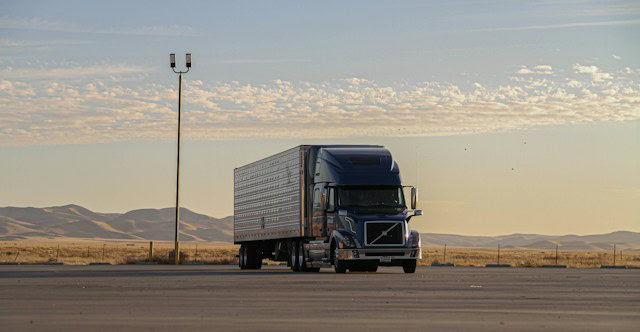
Truck crashes in smaller communities pose legal issues distinct from those in ordinary vehicle collisions. A rural crash can involve long emergency response times, limited medical services, distant witnesses, and quickly disappearing evidence. Claims also involve trucking companies, insurers, drivers, maintenance contractors, and cargo handlers. Attorneys must preserve records while identifying every responsible party. The first stages of a claim often determine whether reliable evidence remains available for later negotiations or court proceedings.
A lawyer begins by securing the crash report, photographs, medical records, vehicle data, and witness accounts. In Deming, the I-10 corridor brings heavy freight traffic through open desert areas, where dust, distance, and high speeds can affect the available evidence. Anyone seeking guidance about a collision can review www.2keller.com/new-mexico/deming-truck-accidents/ for information about truck accident claims in Deming. The attorney then connects the evidence to liability, injuries, and financial losses.
Why Smaller Communities Require Detailed Investigation
A rural crash scene can change before an attorney reaches it. Weather can erase tire marks, damaged vehicles can be left for repair facilities, and road crews can remove debris. An attorney requests photographs, video footage, dispatch records, inspection notes, and other records as early as possible.
Distance also affects witness evidence. A driver traveling through Luna County might leave the area within hours, while a local witness might remember only general conditions. Attorneys collect contact details, statements, and location information before memories become less reliable.
Medical treatment can create another issue. Smaller communities often have fewer nearby providers, so an injured person might travel to another city for specialized care. The claim must connect each treatment decision to the crash and document transport costs, missed work, prescriptions, and continuing care.
Identifying Every Responsible Party
Truck accident claims rarely depend on the truck driver alone. Attorneys examine the driver’s training, license status, work schedule, dispatch instructions, and compliance with required rest periods. They also review whether speeding, distraction, impairment, or unsafe maneuvers contributed to the collision.
The trucking company can be held responsible for hiring, supervision, maintenance, loading, or scheduling decisions. A separate maintenance provider might be responsible for failed brakes, worn tires, or other neglected defects. Cargo-related claims require an examination of loading records and whether unsecured goods shifted during travel.
Attorneys also check insurance policies and company relationships. A carrier, broker, owner, and contractor can have different legal roles. Accurate identification prevents an insurer from narrowing the claim to one party when the evidence supports broader responsibility.
Preserving Commercial Truck Evidence
Commercial vehicles often contain electronic information that ordinary cars do not. Attorneys request available event data, electronic logging records, dispatch communications, inspection reports, onboard camera footage, and maintenance histories. These records can show speed, braking, driver hours, and events leading up to impact.
A formal preservation request requires relevant parties to retain evidence related to the crash. This step matters because routine company systems can overwrite electronic records. Attorneys also inspect the truck, trailer, tires, brakes, lighting, and cargo arrangement when access remains possible.
Building the Damages Claim
A claim includes more than hospital invoices. Attorneys gather wage records, employment information, medical opinions, treatment plans, and evidence of reduced earning capacity. Serious injuries can affect work, household duties, mobility, and future care needs.
New Mexico claims also require attention to deadlines and fault rules. An attorney calculates the applicable filing period, identifies potentially responsible parties, and assesses whether a claimant’s conduct could affect recovery. The exact result depends on the facts, medical evidence, insurance cover, and applicable law.
Insurers often request recorded statements or broad medical authorizations. A claimant should understand the purpose and scope of each request before responding. An attorney can manage communications, correct inaccurate descriptions, and present the claim with supporting evidence rather than speculation.
Negotiating or Filing Suit
After collecting evidence, the attorney prepares a demand that explains liability, injuries, treatment, financial losses, and future needs. A clear demand gives the insurer a basis for evaluation and identifies the evidence supporting each amount.
If negotiations fail, the attorney files the claim within the applicable deadline. Litigation permits formal discovery, including questions, document requests, depositions, and expert testimony. The process can reveal company policies, driver records, maintenance failures, and coverage information that informal negotiations did not produce.
Conclusion
A truck accident claim in a smaller community depends on prompt preservation of evidence and careful identification of responsible parties. The attorney should secure commercial records, inspect physical evidence, document medical treatment, and calculate losses before accepting an insurance proposal. An injured person should keep photographs, bills, employment records, and treatment notes, and then promptly arrange a legal assessment. Early action gives the claim a clearer factual foundation and reduces the risk that important evidence disappears.