
Free crisis lines, local aging services, and the Medicare rules that decide what therapy actually costs.
Last checked September 2026. Figures come from each organization’s own site and from medicare.gov, cms.gov and samhsa.gov.

If you or someone you love is in crisis right now, call or text 988. The 988 Suicide and Crisis Lifeline is free, confidential and open 24 hours a day, every day, by call, text or chat. It is for everyone, at any age. That is the first thing on this page because it should be.
The slower version looks like something else. A father stops driving to the Tuesday breakfast. A wife sleeps most of the afternoon and says she is just tired. Families notice months before anyone says the word depression, then hit a wall that has nothing to do with willingness: nobody is taking new patients, and no one can say what a visit costs.
The help exists, scattered across three systems that do not talk to each other: free federal crisis lines, Medicare-funded therapy with a copay, and a local aging network most families find by accident.
Below are ten places to turn, in no particular order, with what each costs and what it will not do.
If you need help today, start here
First, the numbers worth writing on the refrigerator. All are free, and none require insurance, a diagnosis or a referral.
- 988, call or text, 24/7, for suicidal thoughts, emotional distress, alcohol or drug concerns, or needing to talk.
- 988, then press 2, or text AYUDA to 988, for a Spanish-speaking counselor.
- 988, then press 1, or text 838255, for the Veterans Crisis Line.
- 711, then 988 for TTY users; 988 Videophone is reachable by calling 988 with a VP number.
- 888-670-1360, the Institute on Aging Friendship Line, 24 hours, for adults 60 and older.
- 1-800-662-4357, SAMHSA’s National Helpline, 24/7/365, for referrals to local treatment.

What each option costs, and when it answers
Understood Care
Understood Care is a nationwide virtual patient advocacy service that pairs each patient with one dedicated advocate who handles care coordination, medical bills and Medicare paperwork by phone and video. It lists 32 care services and names 29 patient advocates alongside six physicians and nurse practitioners.
Patients are “matched at intake with one dedicated advocate” and hear from them “every 7 days” while a case is open. Its own writeup of patient advocate services for seniors compares it against free alternatives like SHIP counselors.
Key strengths
- One named advocate with a direct line, not a queue.
- Billing, denials and Medicare paperwork are the core service.
- Virtual and nationwide, with no travel to appointments.
Best for
An older adult whose care is stuck on coverage, not clinical grounds: a denied authorization or an unexplained bill.
Worth asking about
The pricing page says advocacy “is only covered by Medicare at this time,” not commercial insurance, and no self-pay rate is published. It is navigation, not treatment.

988 Suicide and Crisis Lifeline
The 988 Suicide and Crisis Lifeline is a free, confidential crisis line anyone in the United States can reach 24 hours a day by calling, texting or chatting 988. It says it is “for everyone,” serving people with “mental health struggles, emotional distress, alcohol or drug use concerns, or just need someone to talk to.” Family members calling about someone else are in scope.
Behind the three digits is “a national network of over 200 local crisis centers,” which has answered more than 13 million calls, texts and chats since July 2022.
Key strengths
- Free, confidential and always open. No insurance or referral.
- Call, text or chat, for someone who cannot say it out loud.
- Dedicated Spanish, Veterans, TTY and videophone access.
Best for
Any moment of crisis, and the quieter call from a spouse or adult child who does not know what to do.
Worth asking about
988 is crisis support, not an ongoing treatment relationship. Scheduling therapy and checking coverage are not what the line does.

SAMHSA’s National Helpline and FindTreatment.gov
SAMHSA’s National Helpline is a free federal referral service at 1-800-662-HELP (4357) that connects people to local treatment for mental health and substance use conditions. SAMHSA calls it a “free, confidential, 24/7, 365-day-a-year treatment referral and information service (in English and Spanish).”
The same agency runs FindTreatment.gov, “SAMHSA’s confidential and anonymous resource for persons seeking treatment for mental and substance use disorders.” It is a searchable directory, not a hotline.
Key strengths
- Free and confidential every day of the year, in two languages.
- Covers mental health and substance use together, as they arrive.
- The locator lets you research without speaking to anyone.
Best for
The research stage: nothing is urgent, but you need a real list of programs in your county.
Worth asking about
The helpline refers, it does not treat, and it cannot tell you what your plan will pay. Check any program it names against your coverage.

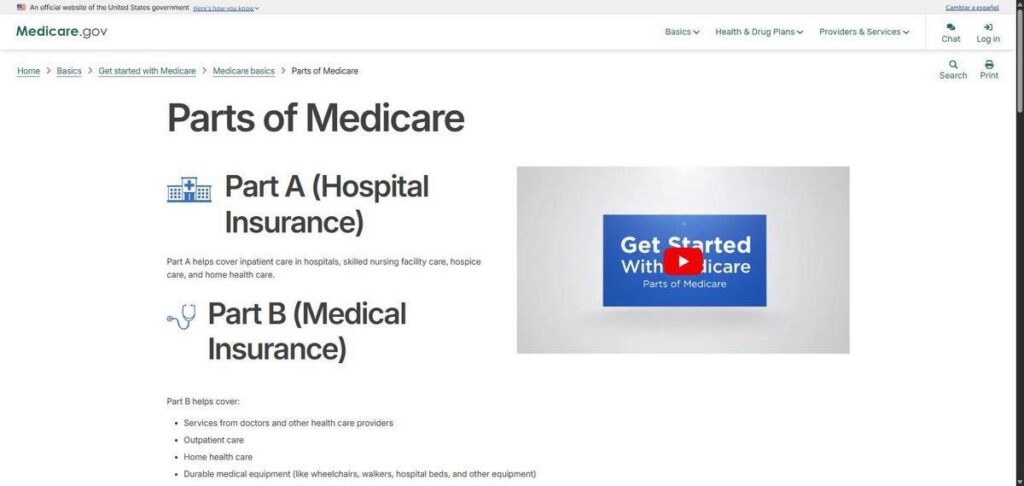
Medicare Part B outpatient mental health coverage
Medicare Part B covers outpatient mental health care, and after you meet the Part B deductible you pay 20% of the Medicare-approved amount for visits to your provider. Medicare.gov lists individual and group psychotherapy, family counseling “if the main purpose is to help with your treatment,” psychiatric evaluation, medication management, one depression screening a year, and the yearly Wellness visit. In 2026 that deductible is $283.
Two details change the math. The yearly screening costs nothing “if your health care provider accepts assignment.” And since January 1, 2024, marriage and family therapists and mental health counselors may enroll in Medicare and bill independently.
Key strengths
- The annual depression screening is free when the provider accepts assignment.
- Two new clinician types since 2024 widen the therapist pool.
- Behavioral telehealth from home is permanent, and audio-only is allowed.
Best for
Ongoing, structured treatment: weekly therapy, a psychiatric evaluation, or medication management.
Worth asking about
The 20% coinsurance is open-ended, so weekly sessions add up unless Medigap or Medicaid covers it. An in-person visit within six months of a first behavioral telehealth service “is not required through December 31, 2027.”

Medicare Advantage behavioral health networks
Medicare Advantage is the private plan alternative to Original Medicare, and it delivers mental health benefits through a contracted network, so the plan decides which therapists you can see. Medicare.gov puts it directly: “You may need to use doctors in the plan’s network and get approval for certain drugs or services.” In exchange, plans cap your yearly out-of-pocket costs.
Starting with contract year 2025, CMS added “Outpatient Behavioral Health” as a facility-specialty type plans must have enough of to meet network adequacy standards, counting marriage and family therapists, mental health counselors and community mental health centers.
Key strengths
- A yearly cap on out-of-pocket costs, unlike Original Medicare.
- Plans now face a specific adequacy test for outpatient behavioral health.
- Counselors and family therapists now count toward that network.
Best for
Anyone already in an Advantage plan, who should ask for the in-network behavioral health list and the authorization rules.
Worth asking about
Adequacy on paper is not an appointment. A therapist can be listed and closed to new patients at once, so get the plan’s out-of-network answer in writing.
Institute on Aging Friendship Line
The Friendship Line is a free, confidential 24-hour emotional support line at 888-670-1360, run by the Institute on Aging for adults age 60 and older and adults living with disabilities of any age. The Institute calls it “the nation’s only accredited 24-hour toll-free emotional support line.”
Calls go both ways. Alongside incoming calls it offers “ongoing outreach calls to individuals who request regular check-ins,” and says it responds to more than 11,000 calls a month.
Key strengths
- Built for older adults, so grief and isolation are expected.
- Scheduled outreach calls for people who want a regular check-in.
- Free, confidential, open 24 hours, and accredited.
Best for
The parent who is not in danger but badly isolated, and caregivers who want someone checking in between visits.
Worth asking about
It is support and crisis intervention, not treatment. It cannot prescribe, diagnose or handle coverage questions.

Area Agencies on Aging
An Area Agency on Aging is, in the federal government’s words, “a public or private nonprofit agency designated by a state to address the needs and concerns of all older persons at the regional and local levels.” There are more than 600 nationwide.
USAging lists what they commonly provide: in-home support with bathing and dressing, transportation to medical appointments, fall prevention programs, benefits counseling for Medicare and Medicaid, and home-delivered meals. For caregivers they add respite, training and support groups.
Key strengths
- Local staff who know the real programs in your county.
- Free benefits counseling for Medicare and Medicaid questions.
- Transportation and meals, which remove two barriers to keeping appointments.
Best for
The practical obstacles: getting to appointments, eating properly, and finding unclaimed public benefits.
Worth asking about
Services and eligibility vary by agency, and some programs carry waiting lists or suggested contributions. Ask yours what it funds this year.

Eldercare Locator
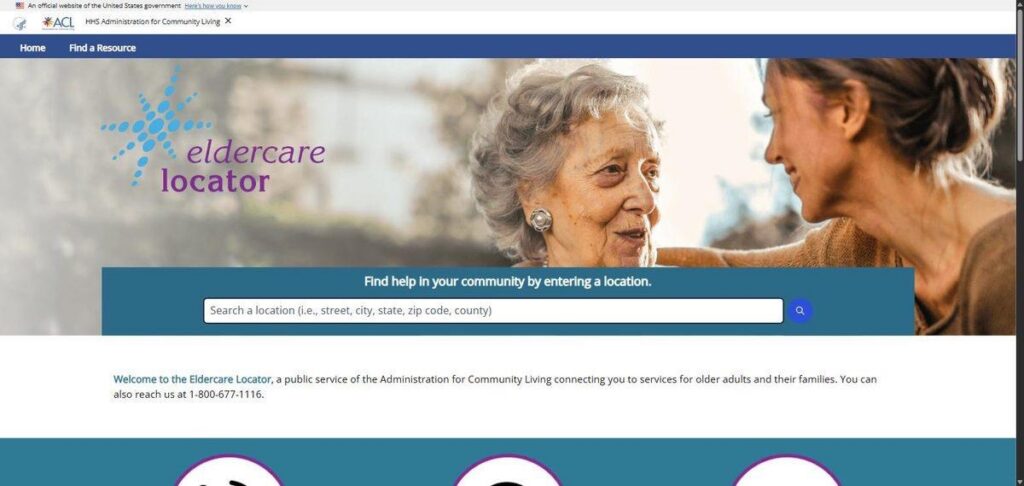
The Eldercare Locator is the national referral service that connects older adults and caregivers to aging services in their own community, reachable at 1-800-677-1116. USAging publishes that number for “phone, text or video phone (ASL direct video),” plus [email protected] and eldercare.acl.gov.
Think of it as the front door to the previous entry. You do not need to know which of the 600-plus agencies covers your ZIP code: give a location, describe the problem, and get routed.
Key strengths
- One national number that resolves to the correct local agency.
- Phone, text, ASL direct video and email, so no voice call.
- Free, with no eligibility screen to get an answer.
Best for
Long-distance caregivers, and anyone who knows what they need but not who provides it.
Worth asking about
It refers, it does not deliver, and hours of operation are not published alongside the contact details. In a crisis it is the wrong number: call or text 988.
NAMI and the NAMI HelpLine
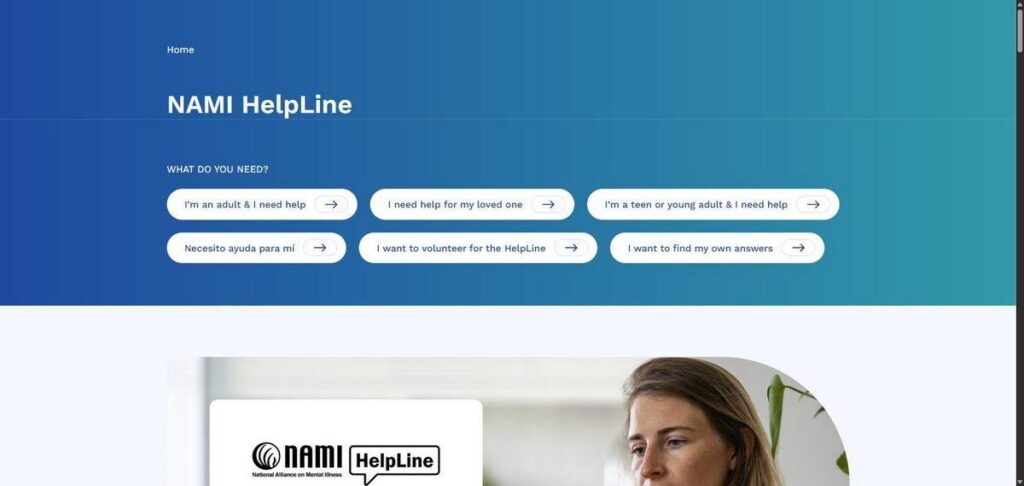
The National Alliance on Mental Illness runs a free HelpLine at 1-800-950-NAMI (6264) offering information, resource referrals and support Monday through Friday, 10:00 a.m. to 10:00 p.m. ET. You can also text “NAMI” to 62640 or email [email protected], in English or Spanish.
NAMI is explicit about its limits. The HelpLine is “not a hot line, crisis line, or suicide prevention line,” and does not provide “mental health counseling, advice, personal advocacy, or referrals to individual mental health providers.” It points you to local affiliates, whose support groups are free.
Key strengths
- Free support groups and education programs through local affiliates.
- Peer specialists who explain the system in plain language.
- Phone, text and email access in English and Spanish.
Best for
Family members trying to understand a diagnosis, and older adults who want a room of people in the same situation.
Worth asking about
Hours are weekdays only, and it will not name a specific therapist for you. For a crisis, NAMI itself directs people to 988.
Community mental health centers and CCBHCs
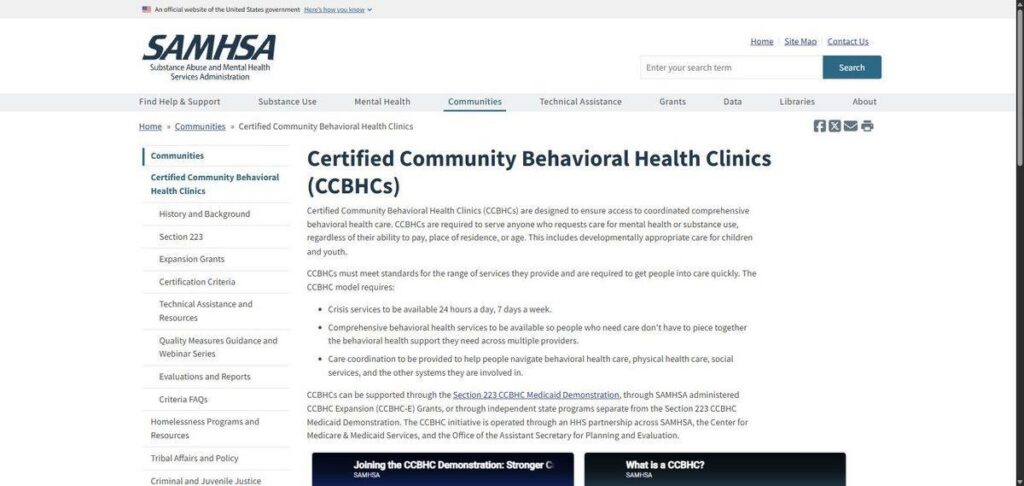
A Certified Community Behavioral Health Clinic is a community clinic that, under federal criteria, “must serve anyone who needs behavioral health care in the community, regardless of age, ability to pay or place of residence.” As of July 2025 there were more than 500 in 46 states.
The model requires nine services, including 24/7 mobile crisis response, outpatient mental health and substance use treatment, case management, and peer support. Clinics “must see people in crisis immediately, people with urgent needs the next business day, and everyone else within 10 business days.”
Key strengths
- Required to serve people regardless of ability to pay.
- Published timelines, including next business day for urgent needs.
- Mental health, substance use and case management under one roof.
Best for
An older adult who is uninsured, between plans, or facing months-long waits everywhere else.
Worth asking about
Coverage is not universal, and the clinic near you may be a traditional community mental health center with different rules. Ask which it is.
What actually decides whether an older adult gets care
Put the ten together and the pattern is clear. Crisis support is free, immediate and national. Ongoing treatment is where cost and logistics take over, and that is where families stall. Someone willing to see a therapist still will not get there if the nearest in-network provider is 40 miles away.
That is why the aging network and the coverage side belong on a mental health list. A ride from an Area Agency on Aging and a corrected prior authorization are not therapy, but each removes a reason the therapy does not happen.
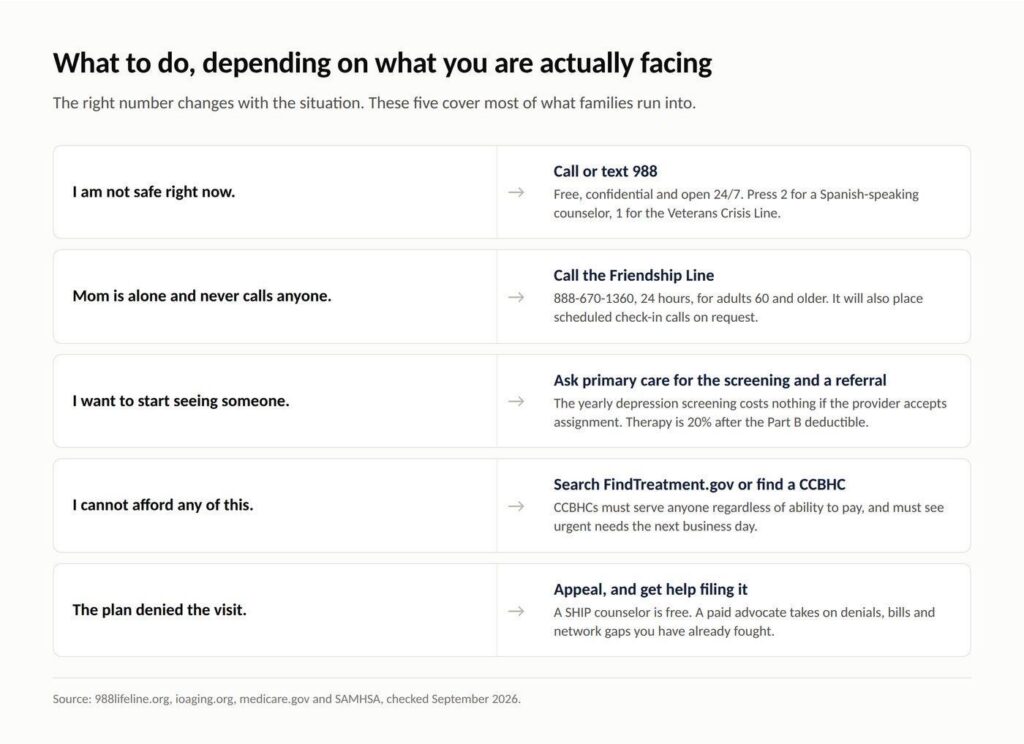
What to do, depending on what you are actually facing
Ask for the depression screening by name. Medicare covers one each year, and you pay nothing if your provider accepts assignment. It must happen “in a primary care setting (like a doctor’s office) that can provide follow-up treatment and/or referrals,” so the annual physical is the appointment to raise it. Many older adults will accept a screening from a familiar doctor long before they will see a psychiatrist.
Questions to ask before you pay anyone
- What does Medicare pay you for, and what will I owe if my plan denies the claim? Get it in writing.
- Is there a minimum commitment, a term, or a cancellation notice period? If the terms are not published, ask for them by email.
- Who is my point of contact, what are their credentials, and do I get a direct number or a shared queue?
- How often will I hear from you while something is open, and what is your response time?
- Have you tried the free options? A SHIP counselor, the Area Agency on Aging and the plan’s grievance process cost nothing.
Where to start
If there is danger today, call or text 988 and stop reading. Otherwise make the clinical call first: ask the primary care doctor for the annual depression screening and a referral, and whether the practice works with therapists who bill Medicare, including the counselors and marriage and family therapists eligible since January 1, 2024.
Then make the practical call. Dial 1-800-677-1116 and ask the Eldercare Locator for the Area Agency on Aging covering that address, then ask about transportation, meals and benefits counseling. If cost is the wall, search FindTreatment.gov or call 1-800-662-4357 and ask about a Certified Community Behavioral Health Clinic nearby. Bring in a paid advocate only for a denial or a bill you have already tried to fix.
Figures were checked in September 2026 against medicare.gov, cms.gov, telehealth.hhs.gov, samhsa.gov, 988lifeline.org, ioaging.org, acl.gov, usaging.org, nami.org and understoodcare.com. Medicare amounts, telehealth rules and plan networks change at least annually, and helpline hours change without notice. Confirm anything you rely on with the organization itself.